
Traveling to Japan? Here’s How to Choose the Best eSIM Provider for Reliable Coverage
If you’re planning a trip to Japan, staying connected is essential—whether you’re navigating Tokyo’s intricate train system, using Google Translate for menus, or sharing photos of Mount Fuji. The best solution for most travelers is an eSIM: a digital SIM you can install before you depart. But with so many eSIM providers—Airalo, Nomad, Holafly, Ubigi, and local Japanese carriers like IIJmio and NTT Docomo—how do you choose the best one? The answer depends on your itinerary, data needs, and whether you need a local phone number. This guide walks you through the options so you can stay connected seamlessly across Japan.
Japan has a world-class mobile network, but coverage can vary between the country’s three major carriers: NTT Docomo, au (KDDI), and SoftBank. Docomo has the most extensive coverage, particularly in rural areas, mountains, and the countryside. au also offers strong coverage, with a focus on urban centers. SoftBank is excellent in cities but can be less reliable in remote regions. When choosing an eSIM provider, you’re effectively choosing which of these networks you’ll be using. For travelers sticking to Tokyo, Osaka, and Kyoto, any of the three works. But if you’re venturing into the Japanese Alps, rural Hokkaido, or the islands of Okinawa, an eSIM that uses Docomo’s network is your safest bet.
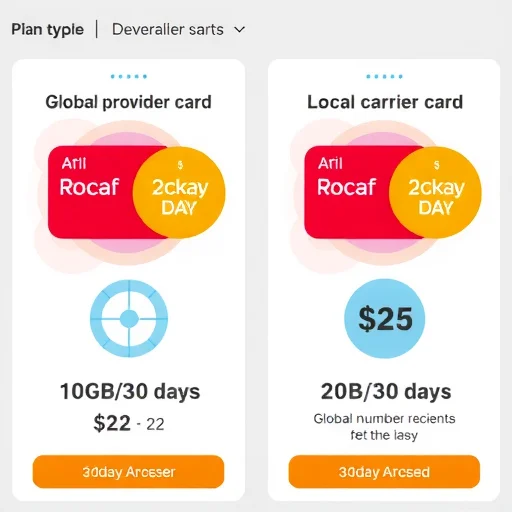
eSIM providers for Japan fall into two main categories: global eSIM specialists and local Japanese carriers. Global specialists like Airalo, Nomad, Holafly, and Ubigi are designed for travelers. You buy and install them before you leave home, and they activate the moment you land. Most of these plans are data‑only and typically operate on Docomo or SoftBank networks. They’re ideal for short to medium trips (3 to 14 days) and offer fixed‑total data packages (3GB, 5GB, 10GB, etc.) at competitive prices. For a one‑week trip, a 5GB or 10GB plan usually costs between $10 and $25.
Local Japanese carrier eSIMs—from providers like IIJmio, NTT Docomo’s “Japan Welcome SIM,” or Rakuten Mobile—are also available. These can be purchased online or at airport kiosks upon arrival. They often come with larger data allowances, include a local Japanese phone number, and sometimes offer voice and SMS capabilities. They’re a better value for longer stays (two weeks or more) or if you need a local number for things like restaurant reservations, rental cars, or delivery apps. However, they require a bit more setup and may involve registration with your passport.
So which provider should you choose? Let’s match them to travel styles.
If you’re taking a short city trip—say, 5 to 10 days in Tokyo, Kyoto, and Osaka—a global eSIM provider is your best bet. You can install it before departure, and you’ll have data as soon as you land. A 5GB or 10GB plan is typically enough for a week if you use maps, navigation, translation apps, and social media. Providers like Airalo and Nomad have user‑friendly apps, and you can top up easily if you need more data. Many of these providers use Docomo’s network, which means you’ll have excellent coverage even on day trips to places like Kamakura, Nikko, or Hakone.
If you’re staying longer—two weeks or more—or if you’re traveling to rural areas like the Japanese Alps, Hokkaido’s national parks, or remote islands, a local Japanese carrier eSIM often provides better value and more reliable coverage. For example, IIJmio offers a “Japan Travel eSIM” that uses Docomo’s network, giving you 20GB of data for 30 days for around $20–$25, often with a local phone number option. NTT Docomo’s own “Japan Welcome SIM” is available at airports and offers similar value. These plans are ideal for road trips, hiking, or extended stays where you might need to make local calls.
Now, let’s talk about a few specific providers in more detail.
Ubigi is a popular choice among travelers to Japan because it uses NTT Docomo’s network exclusively. Docomo has the widest coverage in Japan, including rural and mountainous areas. Ubigi’s plans are data‑only and competitively priced—for example, 10GB for 30 days for around $20. Its app is straightforward, and installation is simple. If coverage is your top priority, especially if you’re venturing beyond the main cities, Ubigi is a strong contender.
Airalo offers Japan plans that typically run on Docomo or SoftBank. Its plans are also data‑only, with options ranging from 1GB to 20GB. Airalo’s app is polished, and its customer support is responsive. It’s a great choice for travelers who want a simple, reliable experience without worrying about which network they’re on—Airalo handles the partner selection.
Nomad offers both fixed‑total and daily‑cap plans for Japan. Its plans usually use Docomo or SoftBank. Nomad’s daily‑cap plans (e.g., 1GB per day) are popular with travelers who want predictable daily usage. Like Airalo, it’s data‑only and easy to use.
Holafly specializes in unlimited data plans. If you’re a heavy data user—someone who streams video, joins video calls, or just wants to never think about data limits—Holafly’s unlimited Japan plan is appealing. It typically uses SoftBank’s network, which is excellent in cities. However, it’s more expensive than fixed‑total plans for light users, and the unlimited claim often comes with a fair usage policy (e.g., a daily high‑speed cap after a certain threshold).
Local Japanese eSIMs like IIJmio’s “Japan Travel eSIM” are worth considering for longer stays. They use Docomo’s network, offer generous data allowances, and can include a local phone number for calls and SMS. The setup is slightly more involved—you may need to activate it upon arrival, and registration requires scanning a QR code and sometimes entering passport details. But the value and coverage can be superior for extended trips.
I recently helped a friend plan a 12‑day trip that included Tokyo, Hakone, Kyoto, and a few days in the Japanese Alps. She was debating between Airalo and Ubigi. I recommended Ubigi because of its exclusive use of Docomo’s network. She bought a 10GB plan for around $20, installed it before departure, and had coverage throughout—even in the mountain town of Takayama and on the train between rural stations. She didn’t need a local number, so the data‑only plan was perfect.
Another friend spent a month working remotely in Fukuoka and traveling to rural Kyushu. She went with IIJmio’s local eSIM, which gave her 20GB of data, a local phone number, and excellent coverage on Docomo’s network for around $25. The local number was useful for booking restaurants and coordinating with a rental car company.
When choosing a provider, consider these practical factors. First, network: if you’re going anywhere outside Tokyo, Osaka, or Kyoto, prioritize Docomo’s network. Ubigi and IIJmio are safe bets. Second, data structure: if you’re a light to moderate user, a fixed‑total plan from Airalo, Nomad, or Ubigi is cost‑effective. If you’re a heavy user, Holafly’s unlimited plan or a large local data package might be better. Third, voice: if you need a local number, you’ll need a local Japanese eSIM or a global provider that offers voice (rare in Japan). Finally, convenience: global providers win for ease of installation and pre‑departure setup; local eSIMs offer better value for longer stays.
One more detail: Japan’s mobile network is incredibly reliable, but coverage can drop in deep mountain valleys and some remote islands. Docomo has the most consistent coverage in these areas. If you’re hiking in the Japanese Alps or exploring Shikoku’s remote temples, a Docomo‑based eSIM is worth the slight premium.
Ultimately, the best eSIM provider for Japan depends on your itinerary and needs. For short city trips, global providers like Ubigi, Airalo, or Nomad offer convenience and reliable coverage. For longer stays or rural exploration, local Japanese eSIMs like IIJmio provide better value and often include a local number. And for heavy data users, unlimited plans from Holafly are a solid option. A few minutes of research before you go means you can land, connect instantly, and focus on enjoying Japan. For Japan, choose an eSIM based on your itinerary: Ubigi offers excellent Docomo coverage for all travelers; Airalo and Nomad provide reliable convenience for short city trips; local Japanese eSIMs (IIJmio, NTT Docomo) offer better value and local numbers for longer stays. Prioritize Docomo’s network for rural and mountain coverage.
TravelJapanConnectivityFINISHED

Used Ubigi for 2 weeks in Japan—Tokyo, Kyoto, Osaka, and Hakone. Flawless coverage everywhere, even on the Shinkansen and in Hakone’s mountains. 10GB was plenty. Highly recommend for the Docomo network.
Heads-up: If you’re staying long-term, local eSIMs are way cheaper. I spent a month in Fukuoka and used IIJmio. 20GB for around $25 plus a local number. Much better than buying multiple global packages.
Used Holafly’s unlimited plan for a week in Tokyo. I streamed a lot and joined video calls without worrying about data. Worked well on SoftBank’s network. Pricey but worth it for heavy users.
Important tip: Check if your phone is unlocked! I almost bought an eSIM without verifying. A quick call to my home carrier saved me from a headache. Most newer phones are fine, but it’s worth checking.