
Traveling to the US and Need a Data SIM? Here’s Exactly How to Stay Connected Without the Headache
You’ve landed in the US, you’re exhausted, and the first thing you need is a working phone—maps to your hotel, a rideshare app to get there, and a quick message to family letting them know you’ve arrived safely. But then you’re faced with confusing prepaid plans, airport kiosks charging premium prices, and the nagging worry that your phone might not even work on US networks. The good news is that getting a data SIM in the United States is actually quite straightforward once you understand your options. The core solution comes down to three simple paths: purchasing an eSIM before you travel, buying a physical SIM from a carrier store after arrival, or ordering a SIM online in advance. Each option suits different travel styles and needs, and by the end of this guide, you’ll know exactly which one is right for your trip.
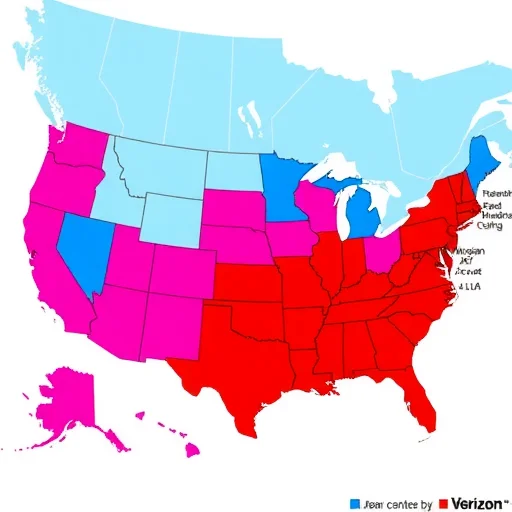
Before we dive into the options, let’s quickly cover the basics of how US mobile networks work. The United States has three major infrastructure owners: T-Mobile, AT&T, and Verizon. Most prepaid SIM cards and eSIMs available to travelers operate on one of these three networks. T-Mobile tends to offer the best value and fastest speeds in urban areas, AT&T provides strong nationwide coverage with good rural reach, and Verizon is known for having the most extensive coverage in remote and rural locations. There are also Mobile Virtual Network Operators (MVNOs) like Mint Mobile, Visible, and Cricket Wireless, which lease network access from the big three and often offer cheaper plans. Understanding which network works best for your destination can make a real difference, especially if you’re traveling outside major cities or planning a road trip through national parks.

Now, let’s walk through the three main ways to get a US data SIM, starting with the most convenient option: eSIM. If your phone supports eSIM—most modern iPhones (XR and later), Google Pixels, and recent Samsung Galaxy models do—this is often the best choice for travelers. You can purchase an eSIM plan online before you even leave home from providers like Airalo, Holafly, or Nomad. The process is entirely digital: you buy a data package, receive a QR code or install it through an app, and add it to your phone. Many eSIMs are designed to activate automatically upon arrival in the US, or you can activate them manually before you land. The beauty of this method is zero airport hassle. You don’t need to hunt down a SIM vending machine, stand in line at a counter, or fumble with a SIM eject tool. You simply turn on the eSIM when you land, and you’re online within seconds. The trade-off is that most traveler-focused eSIMs are data-only—they don’t include a US phone number for calls or SMS. For most travelers, this is perfectly fine because apps like WhatsApp, FaceTime, and Google Maps work seamlessly over data. However, if you need to make traditional phone calls to US numbers, receive verification texts from banks, or book restaurants that require a local number, you’ll want a plan that includes voice services.
The second option is buying a physical SIM card after you arrive. Major carriers like T-Mobile and AT&T have retail locations in most cities, and many international airports have dedicated SIM kiosks or vending machines. Walk into a store or approach a kiosk, and you can purchase a prepaid SIM kit that typically costs between $10 and $30 for the SIM itself, plus the cost of a plan. Plans usually start around $30 to $50 for a month and often include generous data allowances—10GB to unlimited—along with unlimited talk and text to US numbers. The advantage here is that you get a full-service plan with a real US phone number, plus in-person support if you run into any activation issues. The downsides are that airport kiosks often charge a premium compared to stores in the city, and if you arrive late at night, you may find the kiosks closed. Also, some prepaid SIMs require calling an activation number, which can be tricky if you don’t already have a working phone.
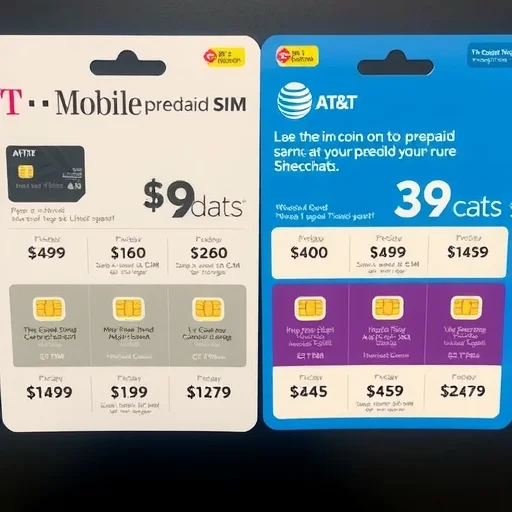
The third option is ordering a SIM online before you travel. Companies like Mint Mobile, or even Amazon sellers, will ship a physical SIM to your home address before you depart. This allows you to activate it while still in your home country, so it’s ready to use the moment you arrive. This option combines the convenience of eSIM with the full-service benefits of a traditional SIM—you get a US phone number, voice minutes, and SMS, all set up before you leave. The main drawback is that you need to plan ahead, as shipping times vary. Also, you’ll need to confirm that your phone is unlocked and compatible with the carrier’s network before ordering.
Now, let’s talk about the practical steps to ensure a smooth experience, regardless of which option you choose. First and most important: verify that your phone is unlocked. If you bought your phone from a carrier in your home country, it may be locked to that network, meaning it won’t accept a SIM from a different provider. Contact your carrier before traveling to request an unlock—most will do this for free if you’ve completed your contract or paid off your device. This step is absolutely critical; an unlocked phone is non-negotiable for using a foreign SIM. Second, check network compatibility. US carriers use different frequency bands than other parts of the world. Most modern smartphones support a wide range of bands, but older devices might struggle, especially with Verizon or AT&T’s 4G LTE networks. Websites like Kimovil or FrequencyCheck allow you to search your phone model and see which US carriers it supports. Third, have a backup plan. Even with careful preparation, activation hiccups can happen. Save offline maps of your arrival airport and have the address of a nearby carrier store or a coffee shop with free Wi-Fi handy so you can troubleshoot if needed.
Let me share a concrete example based on a recent traveler’s experience. Emma, a graphic designer from the UK, was traveling to New York and Miami for a 10-day trip. She needed reliable data for maps, social media, and occasional video calls to clients, but didn’t need a US phone number. She had an iPhone 14, which supports eSIM, so before her trip she purchased a 10GB, 30-day eSIM from a popular provider for around $18. She installed the eSIM at home, and the plan was set to activate upon arrival. When her plane landed at JFK, she turned off airplane mode, and within seconds she had a strong LTE signal. She used Google Maps to navigate to the AirTrain, ordered an Uber without needing airport Wi-Fi, and messaged her Airbnb host. The total time from landing to being fully connected was under two minutes. Her only minor hiccup was that she initially forgot to turn off data roaming on her UK SIM, which would have incurred charges—easily fixed in her cellular settings.
For a different scenario, consider someone traveling to the US for business or an extended stay. Mark, a consultant from Germany, was visiting San Francisco and Chicago for three weeks. He needed a US phone number to call local clients and receive verification texts for banking. He also planned to use his laptop as a hotspot occasionally. eSIM data-only plans wouldn’t meet his needs, and he wanted the flexibility of a local number. Before his trip, he ordered a Mint Mobile SIM online and had it shipped to his home in Berlin. The SIM arrived in five days. He activated it before departure using Mint’s app, chose a 3-month plan with unlimited talk, text, and 15GB of data per month for around $45 total. When he landed in San Francisco, he simply swapped his home SIM for the Mint SIM, and everything worked immediately. He had a local US number, reliable service on T-Mobile’s network, and saved significantly compared to buying a similar plan at an airport kiosk.
One factor that often surprises travelers is data consumption in the US. You’ll likely use more data than you expect—navigation apps, streaming music in the car, uploading photos, and video calls all add up quickly. For a one- to two-week trip, 5GB to 10GB is usually sufficient for moderate use. If you plan to stream video, use your phone as a hotspot for a laptop, or are traveling for a month, look for plans with 20GB or unlimited data. Also note that “unlimited” plans often have a soft cap—after a certain amount of data (usually 20GB to 50GB), speeds may be reduced during times of network congestion.
A final consideration is coverage if you’re traveling outside major cities. If your itinerary includes national parks like Yellowstone, Zion, or the Grand Canyon, or you’re driving through rural areas, prioritize a SIM that uses Verizon’s network, which has the best rural coverage. Many eSIM providers and prepaid SIMs will clearly state which network they use—look for Verizon in the description if rural connectivity is important. For city-focused trips to places like New York, Los Angeles, Chicago, or San Francisco, T-Mobile or AT&T will serve you perfectly well.
Navigating US data SIM options doesn’t have to be complicated. With modern eSIM technology, solo travelers and those with compatible phones can be online within seconds of landing with minimal fuss. Physical SIMs from carrier stores or pre-ordered plans give you the full-service experience with a US phone number for those who need it. Identify your priorities—do you need a local number? Will you be in rural areas? How much data will you use?—and choose the option that aligns with your trip. A little preparation goes a long way, and with the right SIM in hand, you can spend less time worrying about connectivity and more time enjoying your US adventure. The best US data SIM depends on your phone and travel needs. eSIM offers instant digital activation ideal for short trips and modern unlocked phones without need for a local number. Physical SIMs from carriers provide full voice and SMS services with in-person support. Pre-ordered SIMs combine convenience with comprehensive plans. Verify phone unlock status and network coverage for your destination before choosing.
The rural coverage advice is crucial. I did a road trip through Utah and Arizona and got a SIM that used Verizon’s network. Had service in most places where my friends on T-Mobile had none. Worth paying a little extra if you’re heading to national parks.
I needed a US number for business calls while traveling, so I went with a physical SIM from AT&T. Walked into a store near my hotel, the staff set everything up in 10 minutes. $40 for a month with unlimited talk/text and 15GB of data. Solid coverage from Boston to DC.
eSIM saved me so much stress on my New York trip. Landed at Newark, turned on my Airalo plan, and had service before I even got off the plane. 10GB lasted my entire 12-day trip for maps, Instagram, and FaceTime calls back home. Highly recommend.
Just a heads-up for anyone with an older phone: check compatibility! My OnePlus 6T worked fine with T-Mobile but not with Verizon. Did a little research beforehand and picked up a T-Mobile SIM at a store in Manhattan. No issues at all.
Ordering Mint Mobile online before my trip was such a smart move. Three months of service for $45 total. Activated at home in London, swapped SIMs when I landed in LA, and it worked perfectly. Unlimited talk and text plus 15GB data per month—crazy good value.