
Visiting Lithuania? Here’s How to Pick the Best eSIM for Reliable Coverage
If you’re planning a trip to Lithuania—whether you’re wandering the baroque streets of Vilnius, chasing the sand dunes of the Curonian Spit, or exploring the Hill of Crosses—you’ll want a hassle‑free way to stay connected. Maps, ride‑hailing apps, translation tools, and social media are all part of a smooth travel experience. The best solution for most travelers is an eSIM: a digital SIM you can install before you even board your flight. But with so many options available, which one gives you the best balance of coverage, speed, and value across Lithuania? This guide breaks down exactly what to look for so you can make the right choice.
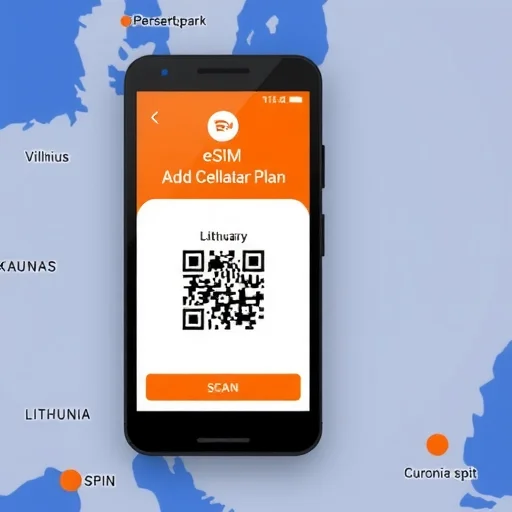
Lithuania boasts a modern, well‑developed mobile infrastructure. The country’s three primary carriers—Telia, Bitė, and Tele2—offer extensive 4G coverage, with 5G expanding in major cities like Vilnius, Kaunas, and Klaipėda. Even in rural areas and along the scenic coastal route, you can expect reliable connectivity. An eSIM lets you tap into these networks instantly. Unlike a physical SIM, there’s no need to hunt down a shop at the airport or deal with swapping cards while jet‑lagged. You purchase the eSIM online, install it at your convenience, and it activates automatically when your phone connects to a local network. Your physical SIM slot remains free for your home number, and everything is managed directly from your phone’s settings.

The key to selecting the best eSIM for Lithuania lies in three factors: the underlying network partner, the plan structure, and your travel duration. Not all eSIM providers are created equal. Some partner with Telia, which is widely regarded as having the most consistent coverage, especially in rural areas and on the Curonian Spit. Others use Bitė or Tele2, both of which offer strong urban coverage and competitive speeds. If your itinerary includes exploring national parks like Aukštaitija or the remote forests of Dzūkija, prioritizing an eSIM that runs on Telia’s infrastructure can give you extra peace of mind.
Next, consider how you use data. eSIM plans for Lithuania generally fall into three categories. Fixed‑total plans give you a set amount of data—say, 3GB, 5GB, or 10GB—that you consume over a fixed validity period (like 7, 15, or 30 days). These are ideal for light users who primarily need maps, messaging, and occasional social media. Daily‑cap plans offer a certain amount of high‑speed data per day (for example, 500MB or 1GB) followed by unlimited but throttled speeds. These plans provide predictable daily usage and are great for travelers who want to avoid unexpected overages. Unlimited high‑speed plans are best for heavy users—digital nomads, frequent streamers, or anyone relying on video calls—though they typically come at a premium. Your choice should align with how much you actually use mobile data versus relying on hotel or café Wi‑Fi.
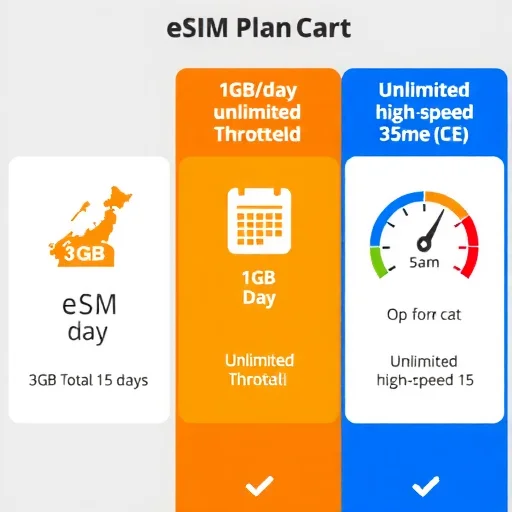
Now, let’s talk about specific recommendations. For short trips (3 to 5 days), a compact fixed‑data eSIM from a reputable international provider like Airalo, Nomad, or Saily works perfectly. You can often get 3GB for around $8 to $12, which is plenty for navigating Vilnius’ old town, using Bolt (the popular ride‑hailing and scooter app), and keeping up with social media. Installation takes minutes, and the plan activates upon arrival. For week‑long stays (7 to 10 days) covering multiple cities, a daily‑cap plan can offer better peace of mind. If you’re driving between Kaunas and Klaipėda, using navigation for hours, or frequently checking travel apps, knowing you have a set high‑speed allowance each day prevents any mid‑day slowdowns. For travelers staying two weeks or longer, or those who prefer having a local Lithuanian phone number for reservations, delivery apps, or local contacts, consider buying directly from a Lithuanian carrier’s tourist eSIM. Telia and Bitė both offer prepaid eSIM options with voice and data bundles, which can be purchased at airport kiosks or online.
One common point of confusion: many eSIMs are data‑only. That means apps like WhatsApp, Skype, and FaceTime work seamlessly, but you won’t have a traditional phone number for voice calls or SMS verification. For most travelers, this is perfectly fine—services like Bolt, local restaurants, and accommodations typically work with international numbers or app‑based communication. However, if you absolutely need a Lithuanian phone number—for example, to register for a local service or receive verification codes—look specifically for an eSIM that includes voice and SMS functionality. Telia’s “Pildyk” prepaid eSIM and Bitė’s tourist options both offer full mobile numbers with voice capabilities.
Also worth checking: your phone’s compatibility. Most modern smartphones—iPhone XS/XR and newer, and Android devices like Samsung Galaxy S21 and newer or Google Pixel 4 and newer—support eSIM. But some carrier‑locked phones may not. A quick call to your home provider before departure can confirm whether your device is eSIM‑ready and unlocked.
I recently helped a friend plan a 10‑day road trip through Lithuania. Her route included Vilnius, a stop in the lakes region around Trakai, and then all the way to Nida on the Curonian Spit. She was considering a budget third‑party eSIM but was uncertain about coverage in the more remote areas. We went with an eSIM that used Telia’s network, offering 10GB of data for 30 days at about $18. She installed it the night before departure, and the moment she landed at Vilnius Airport, she had a stable connection. Throughout the trip, she streamed music during long drives, used navigation through forested roads, and even posted photos from the sand dunes without a single connection issue. The small extra investment in network quality made her trip feel seamless.
If you’re a budget‑conscious traveler staying mostly in Vilnius or Kaunas, where Wi‑Fi is abundant in cafes, hotels, and public spaces, a smaller fixed‑data eSIM will serve you well. If you’re road‑tripping through the countryside, working remotely, or venturing to the coast, spending a little more for a plan with strong rural coverage—preferably on Telia—and a generous data allowance is well worth it. And if you need a local number for extended stays or local services, a direct carrier tourist eSIM with voice is the way to go.
Choosing the best eSIM for Lithuania is really about matching your travel style with the right network partner, data structure, and optional voice features. A few minutes of research before your trip means you can land, connect instantly, and spend your time enjoying Lithuania’s rich history, stunning nature, and warm hospitality instead of troubleshooting mobile service. For Lithuania, choose an eSIM based on network partner (Telia offers the most consistent rural coverage), data structure (fixed total for light use, daily cap for predictability, unlimited for heavy use), and whether you need a local number. Prioritize network quality if exploring beyond major cities.
The local number was a lifesaver for me. I got the Telia Pildyk prepaid eSIM with voice, and it made coordinating with a local tour guide so much easier. Definitely worth it if you’re staying long or doing complex bookings.
Used a Telia-based eSIM from Saily for two weeks. Coverage was excellent everywhere—Vilnius, Kaunas, and even on the ferry to Nida. No drops, and speeds were fast enough for video calls. Highly recommend.
Big tip: make sure your phone is unlocked! I almost bought an eSIM without checking, then realized my carrier had my phone locked. Called them and got it unlocked just in time. Don’t skip that step.
Used a daily-cap plan from Nomad for a week of exploring. 1GB per day was perfect—I never felt like I was rationing data, and the slow-down after the cap was barely noticeable. Great balance of price and convenience.
I went with a fixed-data plan from Airalo for a 5-day trip to Vilnius. 3GB was plenty for maps and Instagram, and installation took two minutes at the airport. Super easy and affordable.