
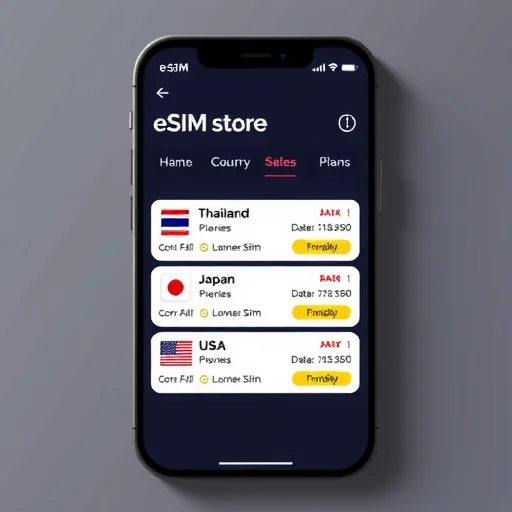
If you’re planning an international trip, you may encounter eSIMs as a convenient alternative to physical SIM cards or expensive roaming plans. However, with dozens of providers—Airalo, Nomad, Holafly, Saily, and more—each offering a dizzying array of data packs, how do you choose the best eSIM plan? The answer isn’t about finding one “best” provider. It’s about matching the plan to your specific travel style: how long you’re going, where you’re going, how much data you actually use, and whether you need a local phone number or just data. This guide breaks down the key factors so you can confidently choose the right eSIM plan every time. First, let’s establish the landscape. eSIM providers generally fall into two categories: global providers that offer plans for hundreds of countries, and local operators that offer eSIMs directly for specific destinations. Global providers like Airalo, Nomad, Holafly, and Saily are convenient—you buy one plan before your trip, install it once, and you’re ready to go once you land. Local operator eSIMs (such as Telcel eSIM in Mexico or Spark eSIM in New Zealand) often offer better value for longer stays and sometimes include local phone numbers. The “best” plan depends entirely on your itinerary and usage.

The first thing to consider is destination. If you’re visiting a single country, both global and local eSIMs are options for you. Global vendors are usually easier to purchase and install before departure, but local operator eSIMs can be cheaper for stays longer than a week. If you’re visiting multiple countries in one region—say, several European countries or backpacking through Southeast Asia—a regional eSIM (such as a “Europe” or “Asia” plan) may be more convenient and cost-effective than buying separate plans for each country. If you’re traveling across different regions, a global plan covering 100+ countries may be the simplest option, though the per-GB price is typically higher for these countries. The second factor is data structure. eSIM plans generally come in three formats. A fixed total plan gives you a set amount of data (3GB, 5GB, 10GB, etc.) that you can use until it runs out, valid for 7, 15, or 30 days. These are ideal for light to moderate users who have a rough idea of how much they need. A daily cap plan offers a set amount of high-speed data per day (e.g., 500MB or 1GB), followed by unlimited but slower data. These offer predictability and are popular among travelers who stream music, use navigation heavily, or simply want peace of mind. Unlimited high-speed plans are best for heavy users—digital nomads, streamers, or anyone who video calls frequently—though they tend to be the most expensive option.
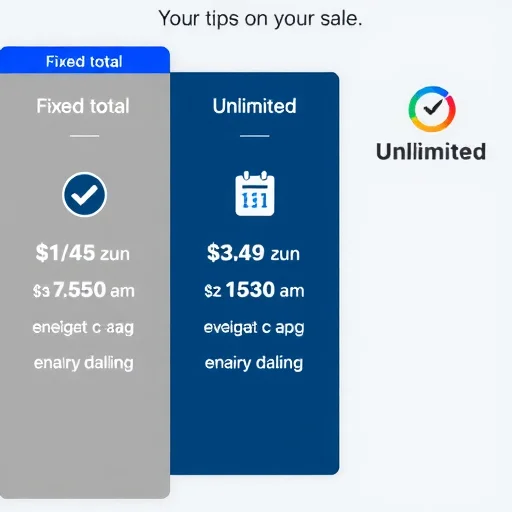
The third factor is duration. For short trips (3–5 days), a compact fixed total plan (3GB–5GB) from a global provider is usually the best choice. For trips up to a week (7–10 days), a 10GB fixed total plan or a daily cap plan (1GB/day) can strike a good balance. For extended stays (two weeks or more), consider a larger fixed total plan (15GB–20GB), or look into a local operator eSIM, which often offers better per-GB rates and sometimes includes voice and SMS. Now, let’s look at specific scenarios. If you’re a light user—mainly using maps, messaging, and occasional social media—a one-week fixed total plan of 3GB to 5GB is usually sufficient. If you’re a moderate user—streaming music, using navigation heavily, and posting regularly—aim for 1GB per day, or a one-week fixed 10GB plan. If you’re a heavy user—working remotely, joining video calls, streaming video—you’ll want an unlimited plan or a large fixed total plan (15GB+). Always round up your estimate; it’s better to have leftovers than to run out mid-trip. Another important consideration: voice and SMS. Most eSIMs from global vendors are data-only. This means you can use WhatsApp, FaceTime, and other internet-based communication, but you won’t have a traditional phone number for voice calls or SMS verification. If you need to make local calls—such as to hotels, tour operators, or car rental companies—or if you need to receive SMS verification codes (for certain ride-hailing apps or local services), look for an eSIM that includes voice and a local number. In many countries, local operator eSIMs offer this; some global vendors now also offer “voice” options. Let’s look at a few examples. Suppose you’re going to Japan for 10 days. You plan to use Google Maps heavily, translate menus, and share photos, but you’re staying in a hotel with Wi-Fi. A 10GB fixed total plan from a global vendor may cost around $20–25 and is more than sufficient. Alternatively, a local operator eSIM like Japan IIJmio could offer 10GB for a similar price, but purchasing locally is more hassle. For convenience, the global option wins. Now imagine you’re in Mexico for a month, working remotely and needing occasional local calls. A prepaid option from a local operator like Telcel might give you 20GB plus a local number for around $30—better value than a global provider’s unlimited plan. For a two-week trip across three European countries, a regional European eSIM offering 10GB for 15 days is often the simplest and most cost-effective choice.
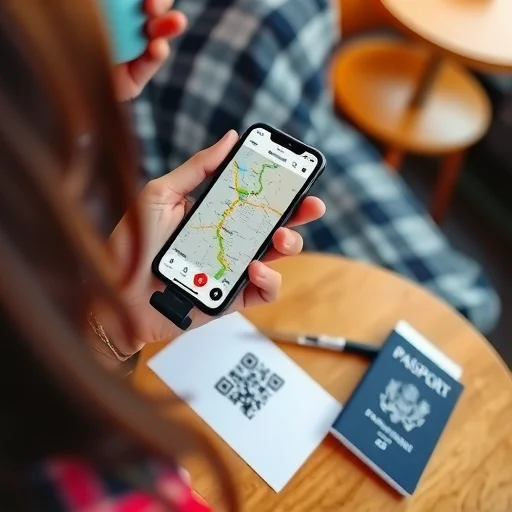
I recently helped a friend plan a three-week trip covering Thailand, Vietnam, and Singapore. She was considering buying a separate eSIM for each country. Instead, I recommended a global vendor’s Southeast Asia regional plan—15GB for 30 days. She installed it once, and it worked seamlessly across all three countries. She didn’t need a local number, as everything was coordinated via WhatsApp. The total cost was lower than buying three separate plans, and she never had to worry about swapping SIM cards mid-trip. If you travel frequently, you may also want to consider vendor loyalty. Some services offer referral credits or loyalty programs. Others have apps that can quickly set up re-purchase plans for repeat destinations. After a few trips, you may find that sticking with one provider simplifies your pre-travel routine. Ultimately, the best eSIM plan is one that aligns with your destination, trip length, data usage habits, and voice requirements. Ask yourself first: one country or multiple? How many days? Do I need a local number? How much data do I typically use per day? Once you have these answers, you can confidently narrow down your options. Don’t chase the absolute cheapest plan—consider the ease of installation, the reliability of the network partner, and whether the plan’s validity period matches your trip exactly. The best eSIM plan depends on destination (single country vs. multiple countries), trip length, data usage (light, moderate, heavy), and voice needs. Fixed total plans suit predictable usage, daily cap plans give you peace of mind, and local operator eSIMs offer better value for extended stays or voice requirements.
我是一名数字游牧民,尝试过至少5家不同的eSIM提供商。对于长期住宿,当地运营商eSIM是最划算的。对于跨越多个国家的短途旅行,全球供应商的区域计划节省了很多麻烦。本指南明确了决策过程。
我总是买固定的总计划,因为我喜欢确切地知道我花了多少钱。10GB在日本10天就足够了。安装耗时2分钟。这比过去在机场寻找SIM卡要好得多。
对于5天的城市旅行,我通常只需要一个3GB的小型计划。人们高估了他们的数据使用情况。只需使用酒店的Wi-Fi进行流媒体播放,你就没事了。这里的选项分解得很好。
在欧洲使用了2周的每日上限计划。每天1GB非常适合地图、Instagram和WhatsApp通话。从不担心逃跑。强烈推荐中等用户使用这种结构。
重要提示:如果您需要像Grab或Kakao T这样的骑行应用程序的本地号码,那么纯数据的eSIM将无法用于短信验证。我在韩国很难学到这一点。始终检查目的地的关键应用程序是否需要本地号码!