5 Costly Mistakes When Buying a Travel eSIM
Most travelers assume their phone works everywhere, that “unlimited data” means unlimited, and that a cheap plan is automatically a good deal. These three assumptions alone cause the majority of costly mistakes when buying a travel eSIM. The real cost is rarely the sticker price;
it is the emergency replacement plan, the missed navigation, or the wasted days spent troubleshooting a device that was never compatible in the first place.
This guide breaks down the five most expensive errors buyers make, explains why each one happens, and gives concrete steps to avoid them before checkout. Following these steps will save both money and frustration, because the goal is not to buy the cheapest eSIM but to buy the one that actually works for your specific trip.
Why Coverage Assumptions Lead to Expensive Failures
The single most common mistake is assuming that regional or global plans cover every destination on an itinerary. Many travelers purchase a plan based on a headline region, only to discover that certain countries or even specific cities are excluded from the network agreement. This leads to unstable connections or complete service loss in destinations where reliable data is critical for navigation, translation, or emergency calls.
To avoid this, always open the provider’s coverage map and cross-reference it with your exact flight and hotel bookings. Do not rely on the word “Europe” or “Asia”;
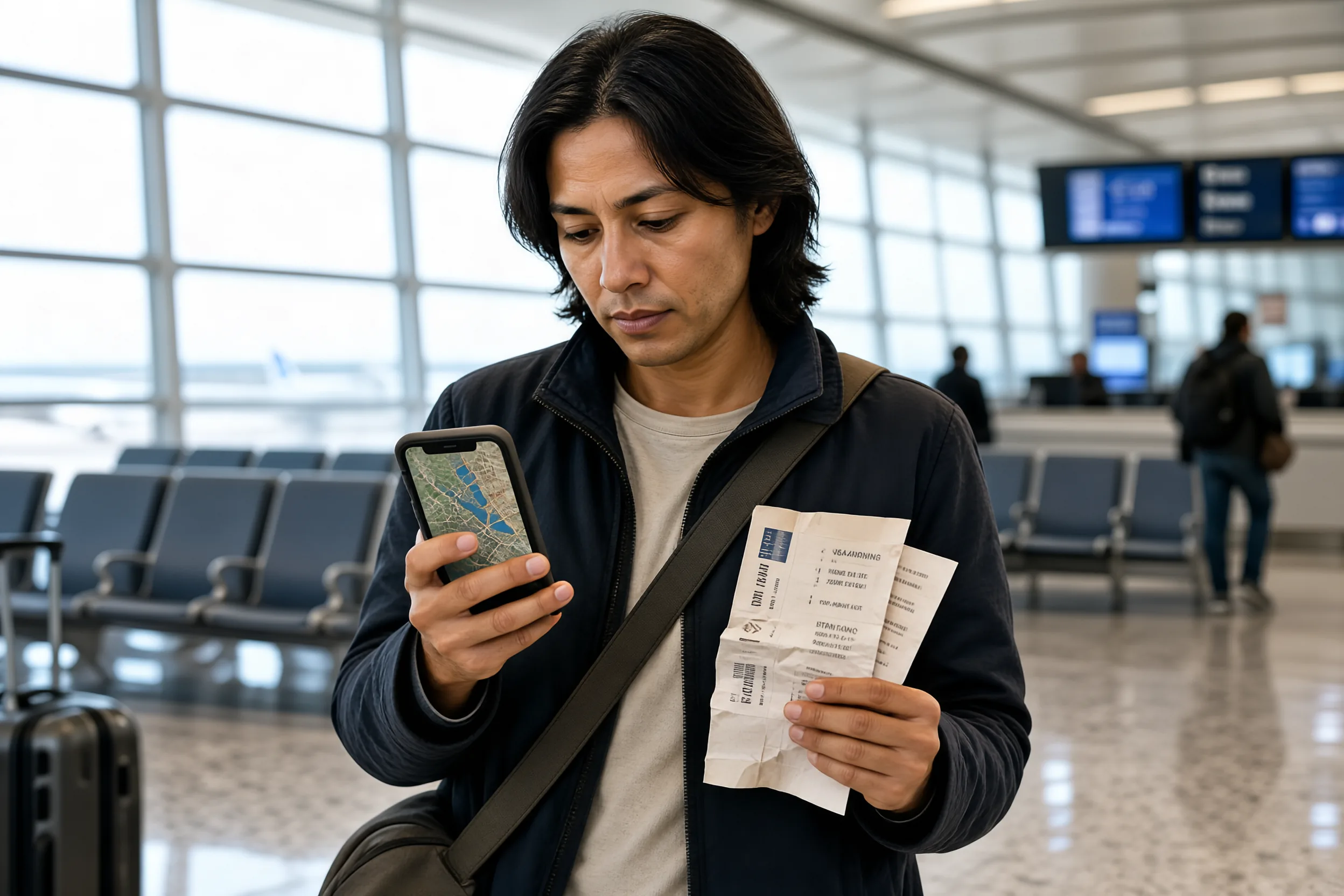
look for the specific countries you will set foot in. A regional plan that covers twenty nations is useless if your layover country is not on the list. Matching your itinerary with the plan’s coverage map before checkout is the cheapest insurance policy you will ever buy.
How Device Incompatibility Silently Breaks the Setup
Approximately thirty percent of users face eSIM setup issues because they never verified whether their device supports the technology. This mistake is silent;
the buyer sees a low price, clicks purchase, and only discovers the problem at the airport when the QR code cannot be scanned. The carrier may not offer refunds for device incompatibility, leaving the traveler stranded without a backup plan.
Before spending any money, check your phone’s settings for an “eSIM” or “Embedded SIM” option. Confirm that your device is unlocked and not tied to a specific carrier. If you are using an older model or a budget phone, verify compatibility with the provider’s support documentation. A five-minute check saves hours of stress and the cost of an emergency local SIM card at your destination.
Understanding the Hidden Limits of “Unlimited” Data Plans
The phrase “unlimited data” is often misleading. Many plans advertise unlimited access but enforce strict speed caps after a certain threshold, such as one or two gigabytes of high-speed data. Once the cap is reached, the connection may slow to a crawl, making map navigation, video calls, or uploading photos nearly impossible.

Read the fine print carefully. Look for terms like “high-speed data,” “fair usage policy,” or “speed throttling.” If you plan to stream content, use hotspot features, or work remotely, choose a plan that offers at least three to five gigabytes of high-speed data. A slightly more expensive plan with transparent limits is far cheaper than buying a second eSIM mid-trip.
What Happens When You Buy Separate Plans for Every Country
Travelers on multi-country itineraries often purchase a separate eSIM for each destination, believing it will save money. In reality, this approach usually costs more and creates administrative headaches. Switching plans mid-journey requires scanning new QR codes, managing multiple accounts, and dealing with different customer support teams.
Instead, look for regional or global plans that bundle multiple countries into a single package. Many providers offer these at a price comparable to or even lower than individual country plans. A single plan simplifies the user experience, reduces the risk of forgetting to activate a new plan before crossing a border, and often includes loyalty benefits that accumulate across trips.
Ignoring Your Actual Data Needs
Another expensive mistake is buying a plan based on a headline number of gigabytes instead of your daily behavior abroad. A traveler who mostly uses maps, messaging, and a few translation apps can often finish a week on three to five gigabytes, while someone who uploads photos, joins video calls, or relies on a hotspot for a laptop may burn through the same allowance in two days. When the plan runs out, the replacement is usually bought at an airport kiosk or a roaming rate that costs several times the original price.
Estimate your usage before comparing plans: check the data your phone reports for a typical week at home, then account for heavy map use, photo backups, and any hotspot sharing. If your work depends on video calls, choose a plan with a clear high-speed allowance and a known top-up path rather than the cheapest unlimited label. Checking whether the provider lets you add data without buying a new profile also matters, because a mid-trip top-up is far cheaper than an emergency replacement.
FAQ: How Do I Know If an eSIM Is Right for My Trip?
An eSIM is ideal if you travel frequently, switch carriers often, or want to keep your physical SIM active for local calls at your destination. It is less ideal if your phone is older than five years, if you are traveling to remote areas with limited provider support, or if you prefer a plug-and-play physical card. Evaluate your device first, then match the plan to your expected data usage and destinations.
Ultimately, the most costly mistake is rushing the purchase without analyzing your actual needs. Take the time to verify coverage, check device compatibility, read the data limits, and consider a regional plan for multi-destination trips. A small amount of research before checkout prevents expensive surprises and ensures your connectivity works from the moment you land.