
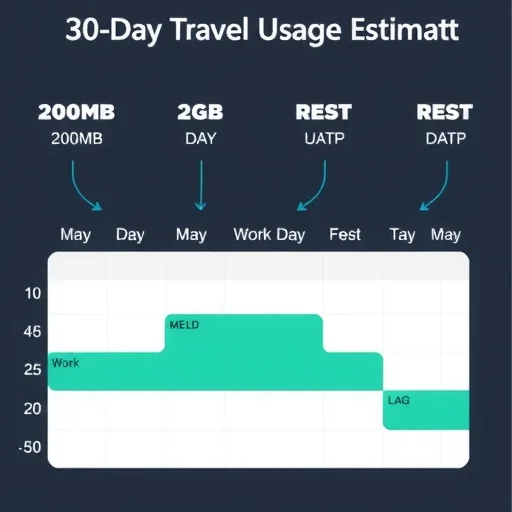
If you are planning a trip lasting more than four weeks, you may be aware that standard mobile data solutions cannot reduce the cost of roaming. Daily roaming fees from domestic carriers can easily reach hundreds of dollars. Purchasing local SIM cards in each country you visit presents logistical challenges for your back office. Short-term eSIM plans designed for weekend getaways—those that expire after 7 or 14 days—are simply not long enough. The good news is that you can choose a 30-day eSIM option, but selecting the right plan requires more thought than simply picking the cheapest option. This guide will help you understand what to look for in a one-month eSIM, how to tailor your plan to your travel style, and which types of 30-day plans suit different scenarios. First, let’s understand why a 30-day eSIM differs from short-term options. However, with a 30-day period, your usage patterns become even harder to predict. You might frequently use maps while traveling, stream videos on trains, or upload photos. You may also have more relaxed days where you primarily rely on hotel Wi-Fi. A 30-day plan must balance cost and flexibility. While it might be inconvenient to purchase additional data abroad if you run out, doing so could end up being more expensive than buying a larger plan in advance.

The first decision you’ll face is whether to purchase a fixed-data plan or an unlimited-data plan. Fixed-data plans offer a set amount of data—such as 10 GB, 20 GB, or 50 GB—for a 30-day period. For light to moderate users who can regularly access Wi-Fi, a fixed-data plan is often the better choice. For example, if you’re staying in hotels or Airbnbs with reliable Wi-Fi, 10 GB can easily last a full month with just navigation, messaging, and occasional social media use. On the other hand, if you’re a digital nomad working remotely, frequently streaming video, or traveling in areas with unreliable Wi-Fi, an unlimited plan offers peace of mind. Note that “unlimited” usually comes with a warning: speeds may be throttled after reaching a certain threshold—typically around 20 to 50 GB per month.
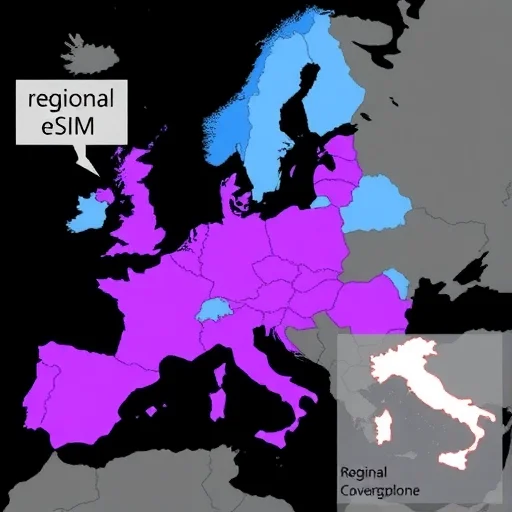
The second factor is coverage. For a one-month trip, you may visit multiple cities, regions, or even countries. Some eSIM providers offer regional plans that cover entire areas—such as all of Europe or Southeast Asia—allowing you to purchase just one plan for the duration. These zone plans are generally more expensive than single-country plans but save you the hassle of buying a new eSIM every time you cross a border. If you’re spending the entire month in one country, a local carrier’s single-country eSIM typically offers the best speed and reliability by connecting directly to that country’s major networks, rather than roaming through a global provider’s partner agreements.
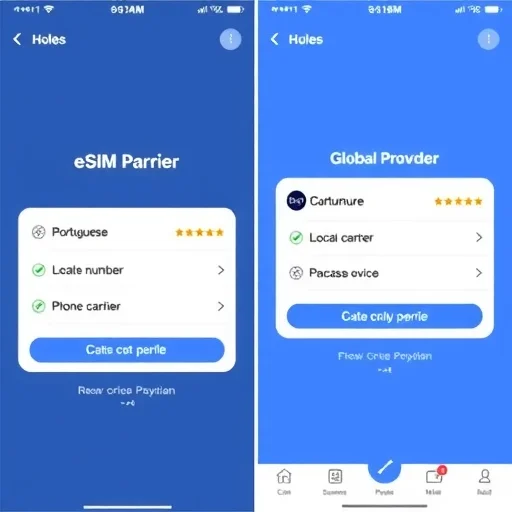
Let’s talk about network quality and priority—this is where many travelers get confused. When you buy an eSIM from global providers like Airalo, Holafly, or Nomad, your data is routed through the provider’s infrastructure before reaching the internet. This can lead to slower speeds during peak hours, especially if the provider uses “low-priority” access on local networks, which increases latency. However, purchasing an eSIM directly from local operators—such as Vodafone UK, Orange France, or TIM Italy—grants you full priority on their networks. For most travelers, the slight delay from a global provider is barely noticeable for everyday tasks like maps or messaging. But if you rely on your phone for video calls, remote work, or streaming HD content, paying extra for a direct local carrier eSIM can make a clear difference in consistency. Take Maria, a freelance graphic designer spending a month in Portugal. She needed reliable, fast data for client video calls and large file uploads while moving between Lisbon, Porto, and the Algarve. She chose a 30-day eSIM from a Portuguese local carrier offering 50 GB of data with full 5G access. Although it cost slightly more than options from global suppliers, the reliability and speed were worth it for her work. She also appreciated having a local Portuguese number, which made communicating with reservations and services much easier.
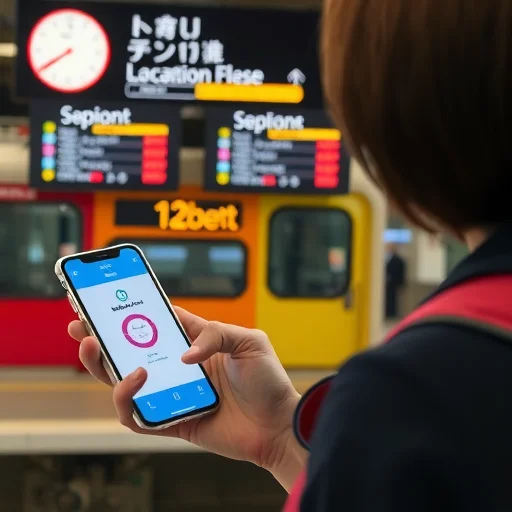
He had a limited budget and primarily used data for maps, hotel bookings, and WhatsApp. He didn’t need a local phone number. He purchased a regional eSIM covering all four countries, with 15 GB of data valid for 30 days. The cost was about half of what he would have paid for a single-country SIM card, and he avoided the hassle of swapping cards at mobile shops. For his travel style, the regional eSIM was perfect—affordable, convenient, and providing enough data for his needs. Now consider Sara, who is spending a month in Japan for both work and leisure. She has Wi-Fi in her Tokyo apartment but needs data for her commute, exploring other cities, and weekend trips to rural areas. She was concerned about coverage outside major cities. She chose to buy a 30-day eSIM directly from a Japanese carrier, ensuring full network access nationwide without any priority throttling. She selected a plan offering unlimited data with a speed cap of 3 Mbps—sufficient for maps, messaging, and even music streaming—at a cost significantly lower than a full-speed unlimited plan.
Some providers allow you to add more data to an existing eSIM without purchasing a new one, while others require you to buy a new eSIM once your data is exhausted. For a 30-day trip, this may not matter much. However, if your trip exceeds 30 days or you’re unsure of your data needs, choosing a provider that makes recharging easy through their app can save you hassle. Be sure to read the fine print before purchasing. Some plans expire automatically after 30 days without renewal options, while others allow you to extend validity by purchasing additional data packs. Another key factor is activation timing. Many eSIMs must be installed within a certain period after purchase—usually 30 to 90 days—with the validity clock starting either at installation or upon first connection to a network. For a one-month trip, avoid installing the eSIM too early to prevent wasting days before departure. Most travelers install their eSIM one or two days before departure and activate it upon arrival by connecting to the local network. This gives you a full 30 days from the moment you land. First, plan your itinerary: how many countries will you visit, what coverage do you need, and will you have access to reliable Wi-Fi? Then assess your data habits: are you a light user (under 1 GB per day), a moderate user (under 2 GB), or someone who consistently needs high-speed data? From there, decide between fixed and unlimited data, and between global providers and direct local carriers. With these factors in mind, you can find a 30-day eSIM that keeps you connected without overpaying or facing unexpected fees. For a one-month trip, choose between fixed and unlimited plans based on your usage habits and Wi-Fi access. Regional eSIMs simplify multi-country travel, while direct local carrier eSIMs offer optimal speed and reliability for single-country stays. Consider coverage, network priority, and recharge options to tailor your plan to your specific trip and connectivity needs. Complete your 30-day data plan.
私は30日間のエリアeSIMを使ってヨーロッパを旅行し、6カ国をカバーしました。これは本当に私の生活を変えました。20 GBは、地図、ソーシャルメディア、さらにはNetflixなど、列車の中で丸1ヶ月間使わせてくれました。どの国でもSIMカードを探しても一銭の価値もありません。
出張が多く、今はどこに行っても30日分のエリアeSIMを購入しています。都市ごとにローカルSIMカードを購入するのに比べて、1ヶ月間の一貫した設定は多大な労力を節約することができます。デジタル遊牧民に強くお勧めします。
無限計画を考えている人は誰でも注意しなければなりません:私は「無限」の30日間のeSIMを買って、30 GB後に制限されました。これはまだ私のニーズを満たすには十分ですが、もしあなたがヘビーユーザーであれば、購入前に公平な使用政策を見てください。私が日本に1ヶ月滞在したとき、現地の航空会社路線が私にとって最も効果的でした。地元のベンダーから50 GBのeSIMを入手しました。友人の世界的なeSIMが苦しむ農村部でも、速度は素晴らしいです。もっと払っても挫折感はない。
提出する前に、あなたの携帯電話がeSIMに対応していることを確認してほしいことがあります。私の友人の古い携帯電話はなく、彼女は最終的に彼女が使えない計画を堅持した。常に互換性をチェックしておきます。