
トルコにおけるシングルキャリアeSIMのカバレッジは不十分
Using a single-carrier eSIM in Turkey can cause you to lose signal the moment you stray from the major tourist corridors. This is because Turkey’s networks cover the country unevenly, and no foreign eSIM roams onto all three networks simultaneously. The practical solution is to check which carrier your eSIM is on, cross-reference that carrier’s coverage map with your itinerary before departure, and carry offline backups and a second profile for areas where that carrier is weak. This article explains why coverage gaps occur, how to check for them in advance, and the low-risk steps to stay connected from Istanbul to the eastern highlands.
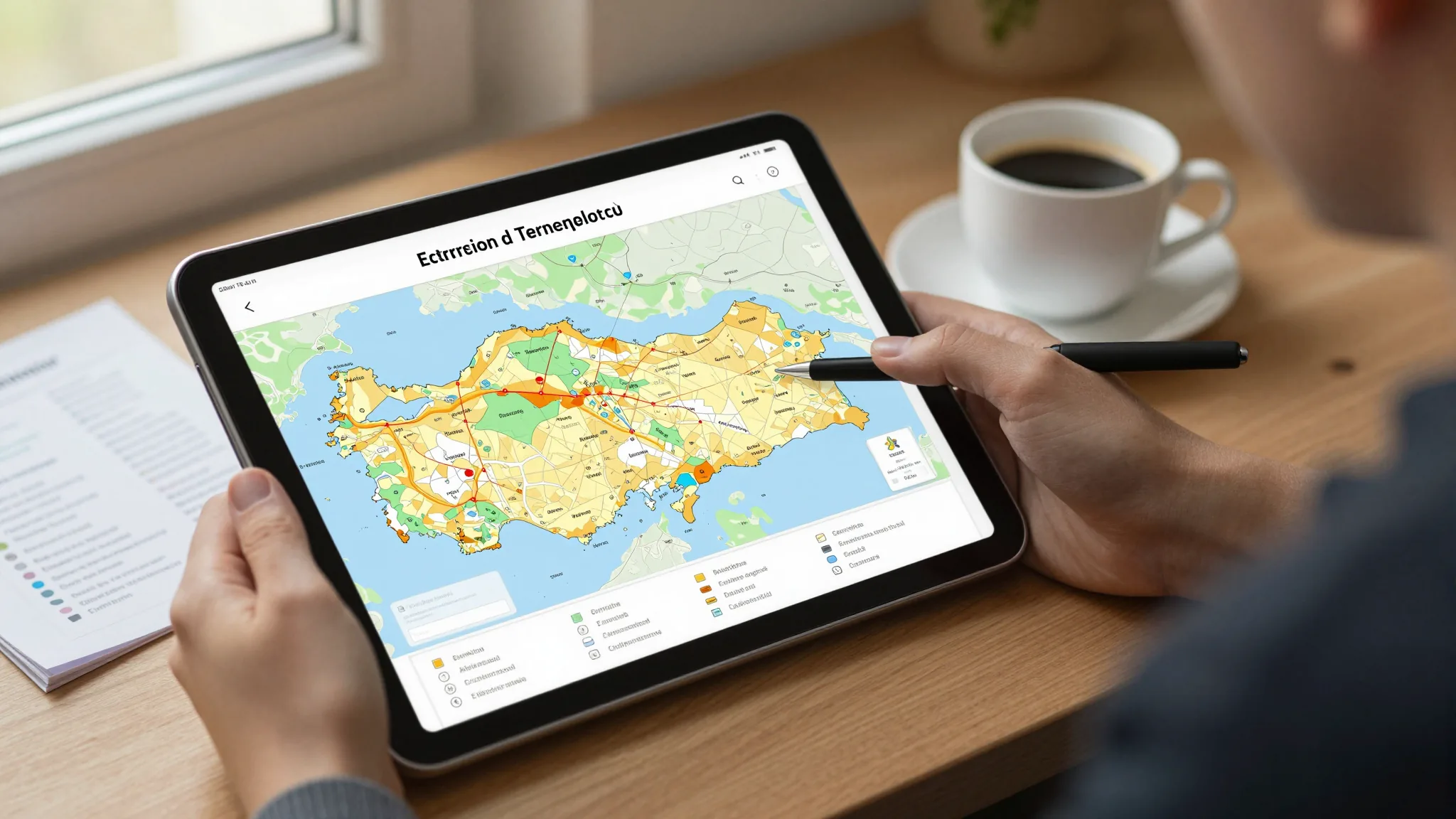
Turkey’s mobile infrastructure is excellent along the west coast and in major cities, but coverage quality is not uniform across the three national carriers. One carrier dominates metropolitan areas with dense 4G and expanding 5G, another historically invested heavily in Black Sea coastlines and southeastern rural base stations, and a third fills gaps on some highways and in small towns. If your travel eSIM is locked to one of these networks, you inherit that carrier’s weaknesses rather than the country’s overall coverage. Travelers who buy a cheap single-network plan and then drive through eastern provinces or the Kaçkar Mountains are the ones most frequently surprised by dead zones that locals using other carriers never experience.
Why single-carrier eSIM coverage falls short outside urban Turkey

The core issue lies in how travel eSIMs negotiate roaming. Foreign eSIM providers hold wholesale agreements with a single Turkish carrier, so your phone is exclusively steered toward that network even when competing base stations miles away are broadcasting stronger signals. Due to network steering and roaming priorities, your device often clings to a weak preferred signal and refuses to switch. In major valleys around Antalya or Cappadocia, where all three carriers cover the area, this is rarely a problem. Gaps appear on Black Sea mountain roads, eastern districts around Van and Kars, and remote villages where only one carrier may have built a base station—and it might not be yours.
The second layer of the problem is more technical than geographic. Turkey’s communications regulator blocks access to many international eSIM providers’ websites and apps on Turkish networks. So if your single-carrier plan underperforms after arrival, you may not be able to purchase or top up alternatives without a VPN or hotel Wi-Fi. Additionally, data-only eSIMs do not provide a Turkish phone number, so you cannot fall back on local voice or SMS when data coverage degrades. Understanding these constraints before you travel changes how you shop: you are not buying “coverage in Turkey,” you are buying one specific carrier’s footprint—and that footprint has limits.
How to check which network your eSIM uses before you depart
You can identify the host carrier by reading the plan details page of your eSIM provider. There, the local network partner is usually listed in the fine print or FAQ section.
If it is not listed, email support directly before paying. Once you know the carrier, compare its coverage map to your actual itinerary. All three Turkish carriers publish coverage maps on their websites, and independent crowd-sourced signal maps from major mapping and coverage-tracking tools show real-world measurements down to road level. Mark your hotel, driving route, and any trailheads on the map. This single step eliminates most coverage surprises.
After arrival, verify connectivity immediately while airport Wi-Fi is still available. Open your phone’s mobile network settings, check the carrier name displayed next to the eSIM line, and run a quick speed test. If you get 3G in a city center, something is wrong—toggle airplane mode, confirm the eSIM line is selected for mobile data, and check that data roaming is enabled on the eSIM line and disabled on your home line. Early testing matters because configuration errors can be fixed over Wi-Fi, but discovering them two hours into a rural drive leaves you offline with no way to contact support.
Backup options when one network is not enough
The most robust solution is a multi-network eSIM that automatically selects the strongest available Turkish carrier instead of locking to one. These plans are slightly more expensive than single-carrier equivalents but effectively combine all three footprints, giving visitors the closest thing to local-level coverage. If you have already bought a single-carrier plan, a practical alternative is to carry a small data package from another provider riding a different Turkish network.
Two 3 GB profiles on different carriers typically cover a wider area than a 20 GB single-network plan, at a comparable total cost.
Physical SIMs are also a viable alternative, but timing and price matter. Airport kiosks charge a premium; packages sold for about $60 in the arrival lobby can be 40% cheaper in city stores, so if you go this route, buy once you reach the city. Also, Turkey’s IMEI registration regime means phones used on local SIMs beyond a limited period can be blocked if not registered—a further reason why eSIM profiles are preferred for short-stay travelers. On truly remote trips to the east, treat connectivity as intermittent and download offline maps and translation packs over Wi-Fi before leaving town, regardless of which plan you use.
Pre-departure checklist for reliable Turkey coverage
Run through these steps in order and complete everything that requires internet access before boarding, since domestic purchases may be blocked. The entire process takes under an hour and prevents most of the connectivity failures reported by travelers using single-carrier plans.
Confirm your phone is carrier-unlocked and eSIM-compatible (generally flagship models from 2019 onward).
Ask your eSIM provider which Turkish carrier their plan uses, then match that carrier’s coverage map to your itinerary.
If your route includes Black Sea mountains or eastern provinces, purchase a multi-network plan or a second profile on a different carrier.
Install and activate the eSIM over home Wi-Fi before departure, and save screenshots of the QR code and activation instructions.
Download offline maps and offline translation packs for every region on your route.
Enable data roaming on the eSIM line and disable it on your home line when you arrive, then run a speed test before leaving the airport.
Keep hotel Wi-Fi details on hand so you can contact provider support if a profile issue arises.
None of these steps requires technical skill, and each addresses a specific failure mode: mismatched carrier, blocked domestic purchases, incorrect roaming settings, or total signal loss in remote areas. A single-carrier eSIM is a reasonable, economical choice for itineraries limited to Istanbul, the Aegean, and Mediterranean resort coasts where all three networks perform well. But when your trip ventures into the places that make a map interesting, prioritize fit over price when choosing your plan.