If you’re planning a trip to Lithuania—whether you’re wandering the Baroque streets of Vilnius, chasing the dunes of the Curonian Spit, or exploring the Hill of Crosses—you’ll want a hassle-free way to stay connected. Maps, ride-hailing apps, translation tools, and social media are all part of a smooth travel experience. For most travelers, the best solution is an eSIM: a digital SIM card you can install before boarding your flight. But with so many options, which one strikes the best balance of coverage, speed, and value in Lithuania? This guide details what to look for so you can make the right choice.
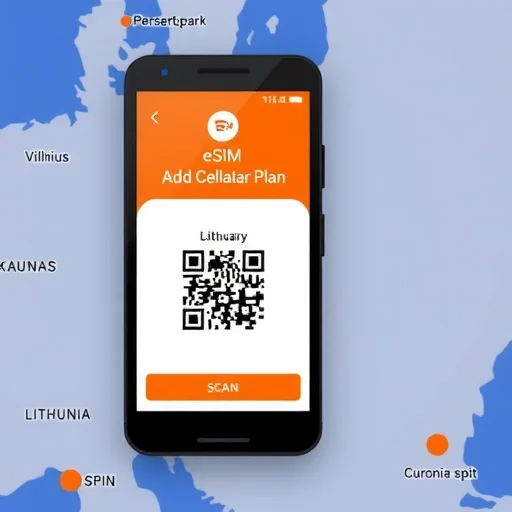
Lithuania boasts a modern, well-developed mobile infrastructure. The country’s three major operators—Telia, Bitė, and Tele2—offer extensive 4G coverage, with 5G expanding in major cities like Vilnius, Kaunas, and Klaipėda. Even in rural areas and scenic coastal regions, you can expect reliable connectivity. An eSIM gives you immediate access to these networks. Unlike a physical SIM, there’s no need to hunt for a shop at the airport or swap cards when crossing time zones. You can purchase an eSIM online, install it at your convenience, and it will automatically activate when your phone connects to a local network. Your physical SIM slot remains free for your home number, and everything can be managed directly from your phone’s settings.
The key to choosing the best eSIM for Lithuania comes down to three factors: underlying network partner, plan structure, and travel duration. Not all eSIM providers are equal. Some partner with Telia, which is widely regarded as offering the most consistent coverage—especially in rural areas and along the Curonian Spit. Others use Bitė or Tele2, both of which provide strong urban coverage and competitive speeds. If your itinerary includes exploring national parks like Aukštaitija or the remote forests of Dzukija, prioritizing an eSIM running on Telia’s infrastructure can give you greater peace of mind.
Next, consider how you’ll use data. eSIM plans for Lithuania generally fall into three categories. A fixed total plan gives you a set amount of data—say, 3GB, 5GB, or 10GB—to use within a fixed validity period (e.g., 7, 15, or 30 days). These are ideal for light users who mainly need maps, messaging, and occasional social media. A daily cap plan offers a set amount of high-speed data per day (e.g., 500MB or 1GB), followed by unlimited but throttled speeds. These plans offer predictable daily usage and are great for travelers who want to avoid unexpected overages. Unlimited high-speed plans are best for heavy users—digital nomads, frequent streamers, or anyone relying on video calls—though they tend to be more expensive. Your choice should align with how much you actually use mobile data, rather than relying on hotel or café Wi-Fi.
Now, let’s talk about specific recommendations. For short trips (3 to 5 days), a compact fixed-data eSIM from well-known international vendors like Airalo, Nomad, or Saily is a solid fit. You can typically get 3GB for $8 to $12—enough for navigating Vilnius Old Town using Bolt (the popular ride-hailing and scooter app) and keeping up with social media. Installation takes just a few minutes, and the plan activates upon arrival. For week-long stays (7 to 10 days) spanning multiple cities, a daily cap plan can offer better peace of mind. If you’re driving between Kaunas and Klaipėda, using navigation for hours, or checking travel apps frequently, knowing you have a set daily high-speed limit prevents any midday slowdowns. For stays of two weeks or longer—or for travelers who want a local Lithuanian phone number for bookings, delivery apps, or local contacts—consider buying a tourist eSIM directly from a Lithuanian carrier. Both Telia and Bitė offer prepaid eSIM options with voice and data packages, available at airport kiosks or online.
One common point of confusion: many eSIMs are data-only. This means apps like WhatsApp, Skype, and FaceTime work seamlessly, but you won’t have a traditional phone number for voice calls or SMS verification. For most travelers, this is perfectly fine—services like Bolt, local restaurants, and accommodations typically use international numbers or app-based communication. However, if you absolutely need a Lithuanian phone number—for example, to register for local services or receive verification codes—look specifically for an eSIM that includes voice and SMS. Telia’s “Pildyk” prepaid eSIM and Bitė’s tourist options both offer full phone numbers with voice capabilities. Also worth checking: phone compatibility. Most modern smartphones—iPhone XS/XR and later, as well as Android devices like Samsung Galaxy S21 and later or Google Pixel 4 and later—support eSIM. But some carrier-locked phones may not. A quick call to your home service provider before departure can confirm whether your device is eSIM-ready and unlocked.
I recently helped a friend plan a 10-day road trip across Lithuania. Her route included Vilnius, a stop in the lake region around Trakai, and then all the way up the Curonian Spit to Nida. She was considering a budget third-party eSIM but was unsure about coverage in more remote areas. We chose an eSIM using Telia’s network, offering 10GB of data over 30 days for about $18. She installed it the night before departure, and the moment she landed at Vilnius Airport, she had a stable connection. Throughout the trip, she streamed music during long drives, navigated forest-covered roads, and even posted photos from the dunes—without a single connectivity issue. That small extra investment in network quality made her trip feel seamless.
If you’re a budget-conscious traveler who plans to stay mainly in Vilnius or Kaunas—where cafés, hotels, and public spaces offer ample Wi-Fi—a smaller fixed-data eSIM will serve you well. But if you’re doing a rural road trip, working remotely, or venturing to the coast, it’s worth spending more on a plan with rural coverage—ideally on Telia—and a generous data allowance. If you need a local number for an extended stay or to offer local services, go with a direct carrier tourist eSIM that includes voice. Choosing the best eSIM for Lithuania is really about matching your travel style to the right network partner, data structure, and optional voice features. A few minutes of research before you travel means you can land, connect immediately, and spend your time enjoying Lithuania’s rich history, stunning nature, and warm hospitality—instead of troubleshooting mobile service. For Lithuania, choose your eSIM based on network partner (Telia offers the most consistent rural coverage), data structure (fixed totals for light use, predictable daily caps for moderate use, unlimited for heavy use), and whether you need a local number. If exploring beyond major cities, prioritize network quality.
当地号码对我来说是救命稻草。我得到了Telia Pildyk预付费的语音eSIM,这使得与当地导游的协调变得更加容易。如果您要长期住宿或进行复杂的预订,绝对值得。
我从Airalo购买了一份固定的数据计划,前往维尔纽斯进行为期5天的旅行。3GB对于地图和Instagram来说已经足够了,在机场安装只需要两分钟。超级简单,价格实惠。
使用Saily基于Telia的eSIM两周。各地的报道都很好——维尔纽斯、考纳斯,甚至在去奈达的渡轮上。没有掉落,速度足够快,可以进行视频通话。强烈推荐。
使用Nomad的每日上限计划进行了一周的探索。每天1GB是完美的——我从来没有觉得我在配给数据,上限后的缓慢几乎不明显。价格和便利性的巨大平衡。
重要提示:确保你的手机已解锁!我差点没检查就买了一个eSIM,然后意识到我的运营商把我的手机锁了。打电话给他们,及时解锁了。不要跳过那一步。