
Traveling to Australia? Here’s What You Need to Know About 5G eSIMs
If you’re planning a trip to Australia—whether it’s exploring the Sydney Harbour, driving the Great Ocean Road, or hiking in the Blue Mountains—staying connected is essential. A 5G eSIM offers the convenience of a digital SIM combined with the fastest available mobile network speeds. But with Australia’s vast geography and varying coverage, is a 5G eSIM the right choice for your trip? This guide explains everything you need to know about 5G eSIMs in Australia, including where they work, which providers offer them, and how to choose the best plan for your itinerary.
Australia has three major mobile network operators: Telstra, Optus, and Vodafone. Telstra has the most extensive overall coverage, particularly in rural and remote areas—crucial for travelers venturing into the Outback, national parks, or coastal regions outside major cities. Optus offers strong coverage in urban areas and along major highways, with a growing rural footprint. Vodafone is excellent in cities but has more limited coverage in remote areas. When choosing a 5G eSIM, you’re essentially choosing which network you’ll be using. For maximum coverage, especially if you’re traveling outside Sydney, Melbourne, or Brisbane, a Telstra‑based eSIM is your best bet. For city‑centric trips, Optus or Vodafone can offer competitive speeds and prices.
So, where can you get a 5G eSIM for Australia? You have two main options: global eSIM providers that offer Australian plans, and local Australian carriers that provide prepaid eSIMs directly.
**Global eSIM providers** like Airalo, Nomad, Holafly, and Ubigi offer eSIM plans for Australia. Many of these plans include 5G access where available. For example:
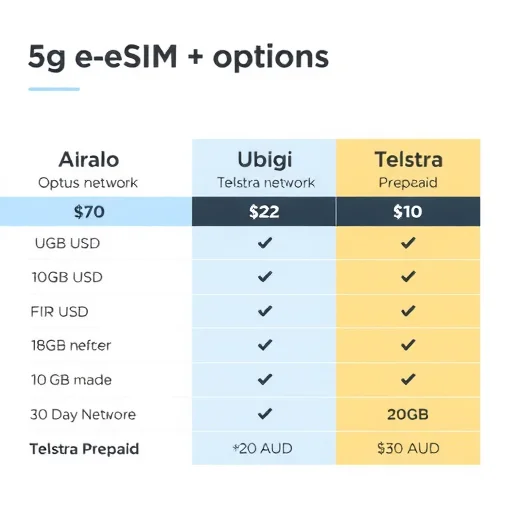
**Airalo** offers Australia plans with data allowances from 1GB to 20GB. Their plans typically use the Optus network, which provides good 5G coverage in cities and along the east coast.
**Nomad** similarly offers Australia eSIMs, often with daily‑cap or fixed‑total options. Their plans usually use Optus or Telstra, depending on the plan.
**Holafly** specializes in unlimited data plans. Their Australia eSIM includes 5G on the Optus network, ideal for heavy users who want unlimited data during their trip.
**Ubigi** offers Australia plans with Telstra as the network partner, making it an excellent choice for those seeking the widest coverage, including rural areas.
**Local Australian carrier eSIMs** are another option. Telstra, Optus, and Vodafone all offer prepaid eSIMs that you can purchase online or at their shops upon arrival. These often come with a local Australian phone number, unlimited calls and texts within Australia, and generous data allowances. For example:
**Telstra Prepaid eSIM** offers plans with 5G access on Australia’s most extensive network. A typical plan might be 20GB for 28 days for around $30 AUD.
**Optus Prepaid eSIM** also offers 5G plans with good urban coverage. Plans start around $20 AUD for 10GB.
**Vodafone Prepaid eSIM** is a solid choice for city travelers, with competitive pricing.
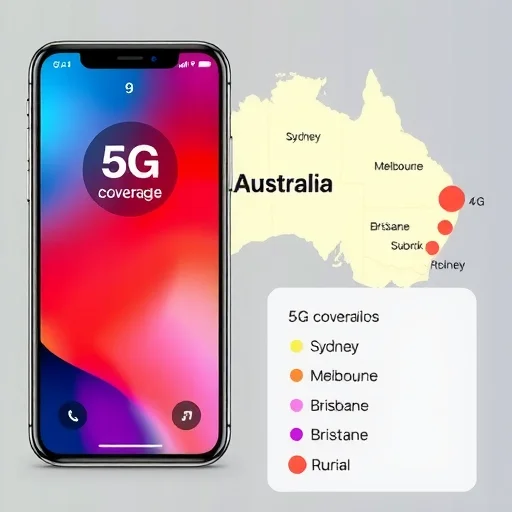
Now, let’s talk about 5G coverage in Australia. 5G is widely available in the major cities: Sydney, Melbourne, Brisbane, Perth, Adelaide, Canberra, and the Gold Coast. In these areas, you can expect fast speeds and reliable connectivity. However, as you move into regional areas—the Blue Mountains, the Great Ocean Road, the Sunshine Coast hinterland—5G coverage becomes more patchy. In remote areas like the Outback, Tasmania’s wilderness, or far north Queensland, 5G is limited or nonexistent. In these regions, you’ll fall back to 4G, which still provides good coverage on the Telstra network.
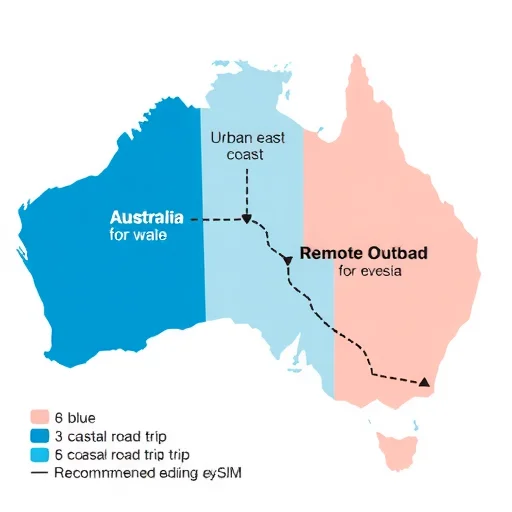
This is why choosing the right network partner is crucial. If your trip is primarily urban, Optus or Vodafone will give you excellent 5G speeds in the cities. If you’re road‑tripping or visiting national parks, a Telstra‑based eSIM (through Ubigi or directly from Telstra) will give you the most reliable coverage overall, even if you’re not always on 5G.
Let’s look at a few scenarios to help you decide.
**Scenario 1: Urban explorer.** You’re spending 10 days in Sydney, Melbourne, and Brisbane. You’ll be using maps, social media, streaming music, and making video calls. You want fast speeds and don’t need rural coverage. An Optus‑based eSIM from Airalo or Holafly, or a Vodafone prepaid eSIM, will give you excellent 5G in all three cities. A 10GB plan is likely plenty.
**Scenario 2: Road trip along the east coast.** You’re driving from Sydney to Cairns, with stops in Byron Bay, the Gold Coast, and the Whitsundays. You’ll be on highways and in coastal towns, with occasional trips inland. You need coverage that extends beyond city limits. A Telstra‑based eSIM (Ubigi or Telstra prepaid) is your best choice. You’ll get 5G in major towns and reliable 4G in between.
**Scenario 3: Remote adventure.** You’re flying into Alice Springs, visiting Uluru, and driving through the Red Centre. You’ll be in very remote areas. In this case, a Telstra prepaid eSIM is practically essential—Telstra is the only carrier with meaningful coverage in the Outback. A 5G eSIM is fine, but you’ll primarily be on 4G; the key is network reach, not speed.
Now, let’s talk about device compatibility. To use a 5G eSIM in Australia, your phone must support both eSIM and 5G. Most modern iPhones (12 and newer), Google Pixels (5 and newer), and Samsung Galaxy flagships (S20 and newer) support both. However, 5G frequency bands vary by region. Australian 5G uses bands like n78 (3.5 GHz) and others. Most international phones support these bands, but it’s worth checking your phone’s specifications, especially if you have a device from a different region.
Cost is another factor. 5G eSIM plans are often priced similarly to 4G plans from the same providers. For example, a 10GB Airalo Australia plan might cost $20 USD regardless of whether it’s 5G‑capable. Local Telstra prepaid plans with 5G are also competitively priced. For short trips, the cost difference between 5G and 4G is minimal; for longer trips, it’s worth comparing.
One more consideration: if you’re traveling to Australia and then to other countries, a regional eSIM might be a better fit. For example, a “Oceania” or “Asia Pacific” eSIM can cover Australia, New Zealand, and nearby islands. However, these regional plans often don’t include 5G in all countries, so check the details.
I recently helped a friend plan a two‑week trip to Australia. Her itinerary included Sydney, a drive down the south coast to Melbourne, and then a flight to Uluru. She needed reliable coverage for navigation and wanted to stay connected with family. We chose a Telstra prepaid eSIM with 20GB for $30 AUD. She installed it before departure, and it activated upon arrival. In Sydney, she had 5G. On the coastal drive, she had consistent 4G, even in smaller towns. At Uluru, she had signal at the resort and viewing areas. She said the Telstra network was essential for her remote leg.
If you’re a heavy data user, consider Holafly’s unlimited plan or a local Telstra plan with a large data allowance. If you’re a light user, a 5GB or 10GB plan from Airalo or Nomad will suffice. And if you’re traveling for a month or longer, a local prepaid eSIM from Telstra or Optus often gives you the best per‑GB value.
In summary, a 5G eSIM is a great choice for Australia if you have a compatible phone and are visiting areas with 5G coverage. For urban trips, Optus‑based eSIMs offer fast speeds. For road trips and remote areas, Telstra‑based eSIMs provide the most reliable overall coverage. With a little planning, you can choose the right plan to stay connected from the Sydney Opera House to the Outback. For Australia, a 5G eSIM offers fast speeds in major cities, but network choice is critical. Telstra provides the widest coverage, essential for rural and remote areas. Optus and Vodafone offer excellent 5G in cities. Choose a Telstra‑based eSIM (via Ubigi or Telstra prepaid) for road trips and outback travel; Optus‑based eSIMs (Airalo, Holafly) are great for urban trips.
AustraliaTravelConnectivityFINISHED

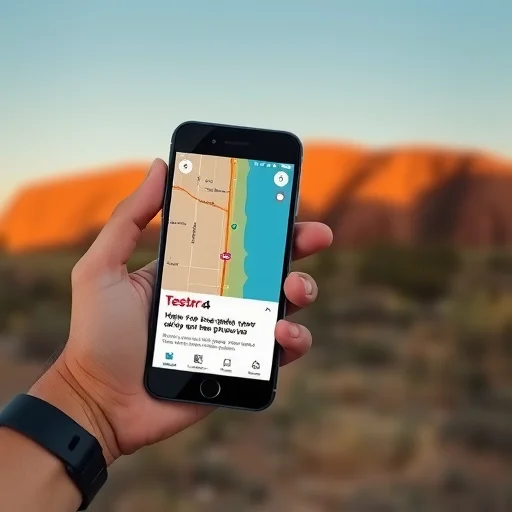
Important tip: If you’re doing a road trip, don’t rely on Optus or Vodafone outside cities. I learned the hard way—had no signal in the Blue Mountains. Switched to a Telstra eSIM and it was fine. Network choice matters!
Used a Telstra prepaid eSIM for a 3‑week trip across Australia. Had 5G in Sydney and Melbourne, and reliable 4G everywhere else—including the Outback. The coverage was unbeatable. Highly recommend for anyone leaving the cities.
I stuck to Sydney and the Gold Coast and used an Optus-based eSIM from Airalo. 5G was fast and consistent. 10GB was plenty for 10 days. Easy to install before I left.
I bought an Optus prepaid eSIM at the airport. Good 5G in Brisbane, but when I drove to Noosa, I lost signal in some spots. Next time I’ll go with Telstra for better coverage.
Used Holafly’s unlimited Australia eSIM for a 2‑week work trip. Streamed video, joined video calls, never worried about data. 5G in Sydney was blazing fast. Perfect for heavy users.