
What Is a 5G eSIM and Do You Really Need One? Here’s What to Know
If you’ve been following mobile technology, you’ve likely heard about 5G networks and eSIMs. But what happens when you combine them? A 5G eSIM is simply an eSIM (embedded SIM) that connects to a carrier’s 5G network. It combines the convenience of a digital SIM with the speed and low latency of fifth‑generation cellular technology. But do you actually need a 5G eSIM, or is 4G still good enough for your travel and daily needs? This guide explains what 5G eSIMs are, where they work, and how to decide if they’re worth it for you.
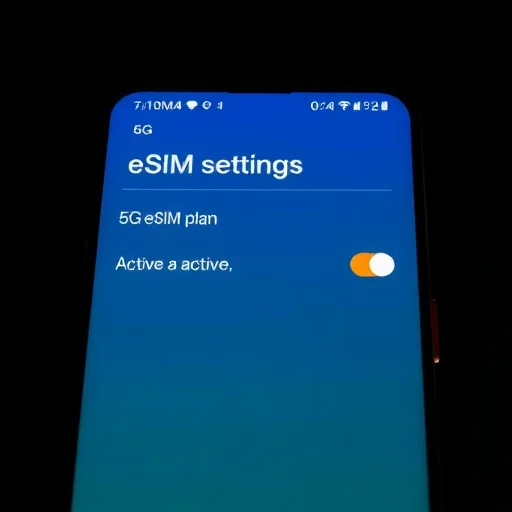
First, let’s separate the two concepts. An eSIM is a digital SIM that allows you to activate a cellular plan without a physical SIM card. 5G is the latest generation of mobile network technology, offering faster speeds, lower latency, and more capacity than 4G/LTE. A 5G eSIM is simply an eSIM that supports 5G connectivity. When you install a 5G‑compatible eSIM from a carrier that offers 5G in your location, your phone will connect to 5G networks automatically, provided your device is 5G‑capable.
So, where can you get a 5G eSIM? Most major global eSIM providers now offer 5G plans in countries where 5G networks are available. For example, Airalo, Nomad, Holafly, and Ubigi all offer eSIMs that can connect to 5G in supported regions. Additionally, local carriers in many countries offer prepaid eSIMs that include 5G access. The key is that the eSIM plan itself must be 5G‑enabled, and you must be in a location with 5G coverage from the carrier the eSIM uses.
Now, let’s talk about the benefits of a 5G eSIM. The obvious advantage is speed. 5G can deliver download speeds of 100 Mbps to over 1 Gbps, depending on the network and your location. For travelers, this means faster downloads of maps, smoother video calls, quicker uploads of photos and videos, and a more responsive experience in crowded areas where 4G networks might be congested. If you rely on your phone for work—video conferencing, large file transfers, or real‑time collaboration—5G can be a noticeable upgrade.
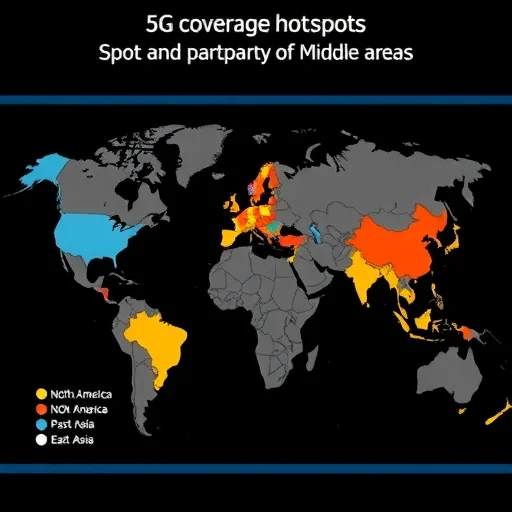
However, 5G isn’t everywhere. Coverage varies widely by country and even within countries. In many places, 5G is concentrated in major cities and may be limited or unavailable in rural areas. For example, in the United States, 5G is widespread in urban centers but can be spotty in national parks and rural highways. In Europe, 5G rollout has been strong in cities but less so in the countryside. If your travel plans include remote areas, a 4G eSIM might actually give you more consistent coverage because 4G networks are more established.
Another factor is device compatibility. To use a 5G eSIM, you need a phone that supports both eSIM and 5G. Most recent iPhones (iPhone 12 and newer), Google Pixels (Pixel 5 and newer), and Samsung Galaxy flagships (S20 and newer) support both. But if your phone is older or a mid‑range model, it may support eSIM but not 5G, or vice versa. Check your phone’s specifications before buying a 5G eSIM.
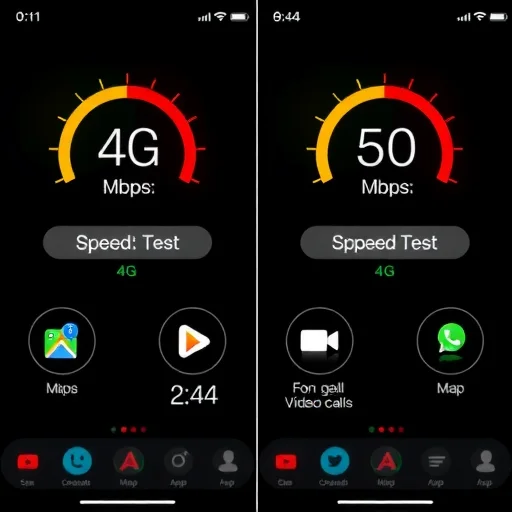
Now, let’s compare 5G eSIMs to 4G eSIMs. For most everyday travel tasks—using maps, messaging, social media, even streaming video—4G is more than sufficient. A 4G connection typically offers 10–50 Mbps, which is plenty for Google Maps, Instagram, WhatsApp calls, and even Netflix in HD. The difference between 4G and 5G for these activities is often imperceptible. Where 5G shines is in high‑demand scenarios: downloading large files, streaming 4K video, or video conferencing with high reliability in crowded venues.
Cost is another consideration. 5G eSIM plans are sometimes priced slightly higher than 4G plans from the same provider, though the gap is narrowing. For short trips, the cost difference might be negligible. For longer trips, paying a premium for 5G may not be worth it if you’re mostly using basic apps.
Let’s look at some real‑world scenarios to help you decide.
**Scenario 1: Urban business trip.** You’re traveling to Tokyo for a week of meetings. You’ll be in the city center, using video calls, downloading presentations, and tethering your laptop. A 5G eSIM from a provider like Ubigi (which uses NTT Docomo’s 5G network) will give you fast, reliable connectivity. The cost difference over a 4G plan is modest, and the productivity boost is worth it.
**Scenario 2: Rural road trip.** You’re driving through the Scottish Highlands for 10 days. You’ll use navigation, stream music, and check weather apps. 5G coverage in the Highlands is limited to towns, with long stretches of 4G only. A 4G eSIM is not only cheaper but also more reliable because it will seamlessly fall back to 4G where 5G isn’t available. A 5G eSIM would work too, but you wouldn’t benefit from the speed advantage.
**Scenario 3: Mixed urban and rural.** You’re spending a week in Barcelona followed by a few days in the Pyrenees. In Barcelona, 5G is widespread. In the mountains, you’ll rely on 4G. A 5G eSIM will give you the best of both: fast speeds in the city, and reliable coverage in the countryside (since 5G eSIMs also support 4G). This is a good use case for a 5G plan.
One technical nuance: when you buy a 5G eSIM, you’re not guaranteed 5G everywhere the carrier claims coverage. Your phone must support the specific 5G bands used by that carrier. Most modern phones support the common bands, but if you have a phone from a different region, there’s a small chance it may not connect to certain 5G frequencies. 4G, being more standardized, is less prone to compatibility issues.
Now, let’s talk about providers. Here are a few known for good 5G eSIM offerings:
**Ubigi:** Strong in Japan, Europe, and North America. Uses top‑tier local networks (e.g., NTT Docomo in Japan). Offers both 4G and 5G plans.
**Airalo:** Offers 5G in many countries, though not always advertised. Check the plan details; many of their “local” plans support 5G where available.
**Nomad:** Similar to Airalo, with 5G support in many destinations. Their daily‑cap plans often include 5G.
**Holafly:** Unlimited data plans, with 5G in supported countries. Good for heavy users.
**Local carrier eSIMs:** In countries like the US (Verizon, T‑Mobile), Germany (Deutsche Telekom), and South Korea (SK Telecom), buying a direct prepaid eSIM from the carrier often gives you full 5G access.
So, do you need a 5G eSIM? If your phone supports it, you’re traveling to a destination with good 5G coverage, and you do data‑intensive tasks (video calls, file transfers, streaming), then yes—it’s a nice upgrade. If you’re a light user, traveling to rural areas, or on a tight budget, a 4G eSIM will serve you perfectly well. The beauty of eSIMs is that you can choose per trip: buy a 5G plan when you’re in a city‑centric trip, and a 4G plan when you’re off the grid.
In summary, a 5G eSIM combines the convenience of digital SIMs with the speed of 5G networks. It’s ideal for urban travelers, business users, and anyone who wants the fastest possible data. But for many travelers, a 4G eSIM remains a cost‑effective, reliable choice with broader coverage. As 5G continues to expand, the gap will close, but for now, the decision comes down to your destination, device, and data needs. A 5G eSIM combines eSIM convenience with 5G network speeds, offering faster downloads, smoother video calls, and better performance in congested areas. It’s ideal for urban travel and data‑intensive tasks, but 4G eSIMs remain a reliable, cost‑effective choice for light users and rural destinations. Choose based on your destination’s 5G coverage, device compatibility, and data needs.
TravelConnectivityTipsFINISHED

Used a 5G eSIM from Ubigi for a trip to Seoul. Had 5G everywhere in the city, speeds were insane—downloaded a 2GB file in under a minute. Made working remotely so much easier. Highly recommend for urban travel.
I’m a light user—maps, WhatsApp, social media. I’ve been happy with 4G eSIMs. The speed is plenty for what I do, and they’re cheaper. But it’s nice to have the option for 5G when I need it.
I bought a 5G eSIM for a trip to the US, but I was driving through national parks. Most of the time I was on 4G because 5G coverage outside cities was limited. Still worked fine, but I could have saved money with a 4G plan.
Important tip: Check your phone’s 5G band support. I have a European phone and it didn’t connect to some US 5G bands. 4G worked perfectly, though. Worth checking before buying a 5G plan.
Used a local 5G eSIM from Deutsche Telekom in Germany. Flawless coverage in cities and on the Autobahn. The speed was great for video calls. Worth the extra cost for business travel.