
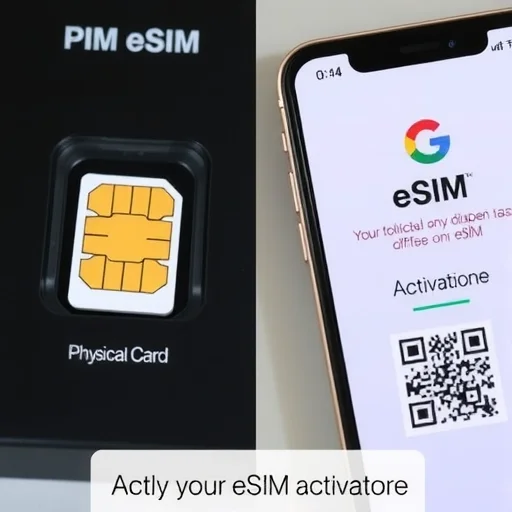
Physical SIM vs. eSIM – Which One Should You Actually Use?
If you’ve bought a new smartphone recently, you’ve probably noticed a shift: more phones are launching without a physical SIM card tray, and carriers are increasingly pushing eSIM activation. This leaves many people wondering—should I stick with the traditional physical SIM I’ve used for years, or is it time to make the switch to eSIM? The answer isn’t one-size-fits-all. Your best choice depends entirely on how you use your phone, how often you travel, and what kind of flexibility you need. In this guide, I’ll break down exactly how both options work, their real-world pros and cons, and help you decide which one fits your situation.
Let’s start with the basics. A physical SIM is the small plastic card you’ve been inserting into your phone for decades. It contains a chip that stores your subscriber information, connecting your phone to your carrier’s network. An eSIM—short for embedded SIM—is a digital SIM built directly into your phone’s hardware. Instead of inserting a card, you download a carrier profile onto your device, usually by scanning a QR code or using your carrier’s app. Functionally, they do the same thing: they authenticate your device on a mobile network. But the experience of using them is surprisingly different.

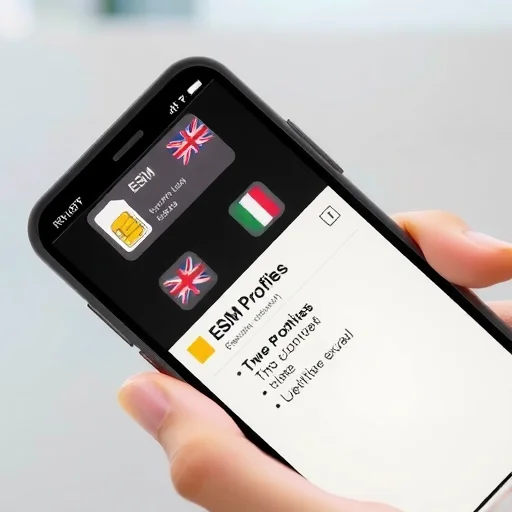
The most obvious difference is convenience—but in opposite directions depending on your needs. Physical SIMs have the advantage of being instantly swappable. You can pop one out and put another in within seconds, no internet connection required. This is especially valuable if you frequently switch phones or if you’re traveling and want to buy a local SIM upon arrival. No need to worry about whether your phone supports eSIM or whether you’ll have Wi-Fi to download a new profile. On the other hand, eSIMs offer convenience of a different kind. You can store multiple profiles on a single device—often eight or more—and switch between them with a few taps in settings. This is a game-changer for frequent travelers who might have a home carrier profile, a travel eSIM for one country, and another for a second destination, all without juggling physical cards.
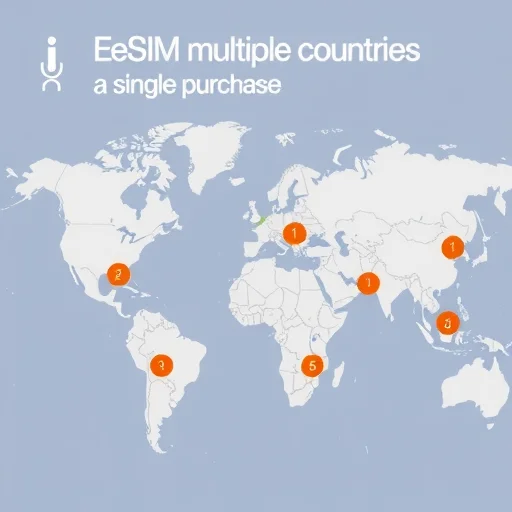
Let’s talk about travel scenarios, because this is where the choice gets interesting. Imagine you’re flying to Europe for two weeks. With a physical SIM, you have a few options. You can pay your home carrier’s roaming rates, which can easily add $50 to $100 to your bill. You can buy a local SIM at the airport or a shop after you land, which involves finding a vendor, waiting in line, and physically swapping cards. Or you can order a travel SIM online before you leave and swap it in when you arrive. All of these are workable, but they require time, planning, or extra money. With an eSIM, you can purchase a data plan from any number of global eSIM providers before you even leave home. You install the profile, and the moment you land and turn off airplane mode, your phone connects. No store visits, no tiny cards to lose, no fumbling with SIM ejector tools.
But eSIMs have limitations worth considering. Not all phones support them. While most flagships from the past few years—iPhones from the XS onward, recent Pixels, and Galaxy devices—have eSIM capability, many mid-range and budget phones do not. If you’re someone who buys phones second-hand or prefers more affordable models, physical SIM is still your reliable option. Additionally, not all carriers support eSIM activation. In many countries, prepaid plans are still primarily offered on physical SIMs, and even postpaid carriers sometimes require a store visit to set up eSIM for the first time. If you’re traveling to a region where eSIM isn’t widely adopted, a physical SIM may be the only practical choice.
Another factor is security and device management. Physical SIMs can be removed from a stolen phone, which is actually a good thing—it prevents a thief from using your service or receiving two-factor authentication texts. But it also means if you lose your phone, you lose your SIM. eSIMs can’t be physically removed, but they can be remotely deactivated. If your phone is stolen, you can contact your carrier to disable the eSIM profile and transfer it to a new device. This adds a layer of protection, but the process can sometimes take longer than simply swapping a physical SIM into a spare phone.
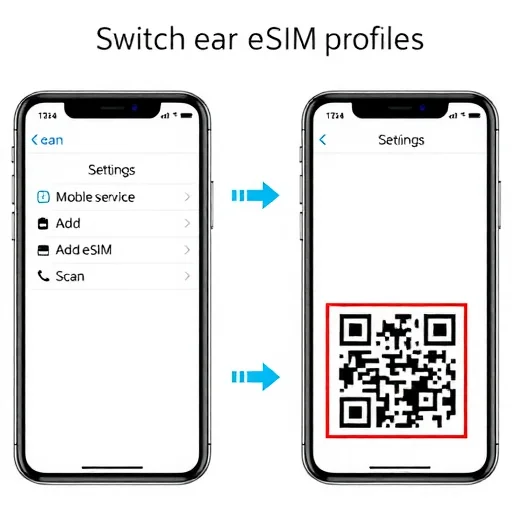
Now let’s consider dual SIM usage. Many modern phones support dual SIM functionality, but the implementation differs. With physical SIM, you can have two physical cards if your phone has a dual SIM tray, or one physical plus one eSIM. The flexibility of eSIM really shines here. You can keep your primary number on a physical SIM, then add a secondary eSIM for work, travel, or a temporary data plan without needing to carry a second device. You can even set which SIM handles data, which handles calls, and which is primary for iMessage or RCS. For digital nomads, remote workers, and anyone juggling multiple lines, this flexibility is invaluable.
Let’s walk through a couple of real scenarios to make this concrete. Anna is a frequent business traveler who visits three or four countries each month. She keeps her home carrier physical SIM for calls and texts, and she uses eSIMs for local data in each country she visits. She can install a new eSIM before each trip, and when she lands, her phone automatically has data without any manual swapping. For her, eSIM has cut her travel connectivity hassle to nearly zero. On the other hand, Mark is an occasional traveler who mostly uses his phone for local calls and doesn’t like dealing with technology. He prefers physical SIMs because he understands them, his carrier supports them without any app setup, and if his phone dies or breaks while traveling, he can easily move his SIM to a spare phone and keep working. Neither is wrong—they just have different priorities.
If you’re still unsure which path to take, here’s a practical framework. Stick with physical SIM if: your phone is more than three years old, you frequently switch between multiple phones, you travel to countries where eSIM support is limited, or you simply prefer the tangible, straightforward nature of a card you can hold and move. Switch to eSIM if: you have a modern eSIM-compatible phone, you travel internationally regularly and want to avoid roaming fees, you need multiple lines on one device, or you value the ability to activate a new plan from anywhere without visiting a store.
Many people end up using both. Keeping your primary number on a physical SIM while using eSIMs for travel or secondary data plans gives you the best of both worlds: the reliability and simplicity of a physical card for your main line, plus the flexibility of instant, app-based activation for temporary needs. As eSIM adoption continues to grow—more carriers support it, more countries have local eSIM options, and more phones launch without physical SIM trays—the balance is gradually shifting. But for now, the right answer is the one that matches how you actually use your phone, not just what’s newest. Physical SIMs offer simple, universal compatibility and instant swapping between devices, while eSIMs provide multi-profile flexibility, remote activation, and seamless travel connectivity. Your best choice depends on your phone model, travel frequency, and whether you prioritize reliability or convenience. Many users find keeping a physical primary line plus eSIM for travel offers the ideal balance.
I’m sticking with physical SIM for my main line. I’ve had situations where my phone died and I needed to put my SIM in a backup phone instantly. eSIM transfer isn’t always immediate and sometimes requires carrier support. Reliability matters more to me than convenience.
I switched to eSIM for travel last year and never looked back. Being able to buy data for Japan, Korea, and Thailand from one app before I even left was so convenient. No more arriving tired and hunting for a SIM kiosk. Huge time saver.
One thing not mentioned: if you’re in a country where your phone gets stolen frequently, having an eSIM means they can’t just pop your SIM out to stop you from tracking it. That’s actually a security plus that people don’t think about.
Just a heads up for anyone considering switching: check if your carrier charges for eSIM activation. Some still do, and it’s usually around $5–10. Not a dealbreaker but good to know before you request the switch.
I use both! Physical SIM for my home carrier, and eSIMs for travel. The dual SIM setup is perfect because I never have to swap cards. I just toggle which line is active for data depending on where I am. It’s genuinely life-changing for frequent travelers.