How to Choose the Best eSIM for India: Network Coverage and Cost Efficiency
Landing in India without a working data connection turns a simple airport arrival into a slow hunt for Wi-Fi passwords. A travel eSIM solves that, but only if you pick one that matches the way Indian networks actually behave. This guide walks through the three checks that matter most — coverage quality, pricing structure, and device readiness — so you can buy once and stay connected from the first hour of your trip.
India is one of the cheapest mobile data markets in the world, yet traveler eSIM pricing varies widely between sellers. The difference rarely comes from the underlying network; it comes from how much data the seller reserved, how long the plan lasts, and whether support responds when something goes wrong. Understanding those variables before purchase saves both money and frustration.
Evaluating Network Coverage and Reliability in India
Coverage in India is driven by a handful of national operators, and any reputable eSIM rides on one of them through a local partnership. In metro areas such as Delhi, Mumbai and Bangalore, 4G and 5G service is dense and fast. Once you leave the cities, signal still reaches most towns and highways, but speeds drop and occasional dead zones appear in mountain regions and rural interiors.
The practical move is to match the plan to your itinerary. A trip confined to cities and the Golden Triangle works fine on any major network. Routes through the Himalayas, Rajasthan’s desert belt or the northeastern states deserve a plan that leans on the operator with the strongest rural footprint, and reviews from recent travelers are the fastest way to learn which one that is.
Understanding Data Plans and Pricing Structures
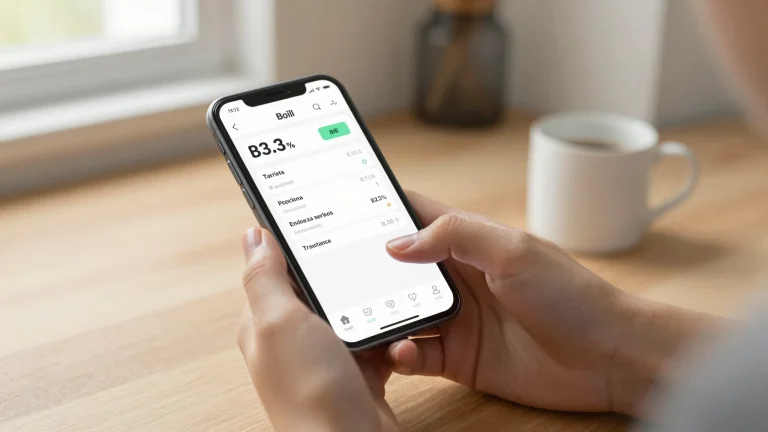
Two pricing models dominate. Daily-capped plans give you a fixed high-speed allowance each day and slow down or stop after it; total-volume plans hand you a pool of data for the whole trip. Heavy map use, video calls and hotspot sharing burn through daily caps quickly, while light users checking messages and directions can stretch a small pool across two weeks.
Compare prices on a per-gigabyte basis rather than trusting the headline number, and check validity windows. A 10 GB plan valid for 30 days is usually better value than a 5 GB plan valid for a week, even when the sticker price looks similar. Also confirm what happens at the end: some plans simply cut off, while others let you top up without reinstalling the profile.
Installation Steps and Device Compatibility Requirements
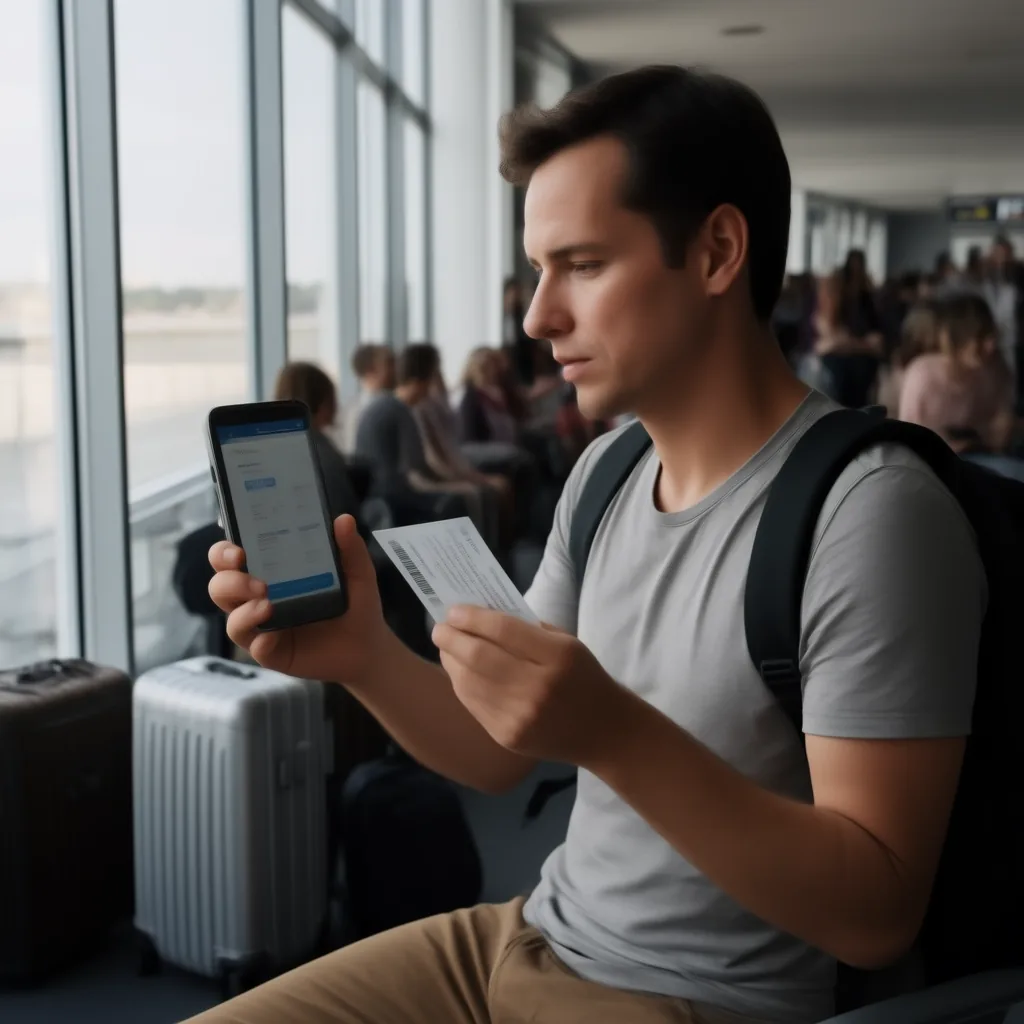
Most phones released in the last four years support eSIM, but India trips fail more often on preparation than on hardware. Confirm your handset is carrier-unlocked, install the profile while you still have home Wi-Fi, and let the plan register to the network before boarding. Turning the line on after landing works too, but doing it early gives you time to fix surprises.
During setup, label the new line clearly as your travel data line and keep your home line active for calls and verification codes if you need them. If the profile refuses to download, restart the phone and try again on a stable network before assuming the seller sent a broken QR code.

What Should You Do If Your eSIM Stops Working During the Trip?
Start with the basics: toggle airplane mode, reboot the device, and confirm the travel line is still selected for mobile data. Registration glitches clear up after a restart far more often than travelers expect. If signal stays missing, switch data roaming on for the travel line — India eSIM plans usually require it even though the price stays fixed.
When none of that works, contact the seller’s support before buying anything new. Good sellers reissue a profile within minutes; poor ones argue. That support test is worth remembering when you choose your next plan, because the cheapest option with unreachable support often costs more in the end.
The best eSIM for India is rarely the cheapest listing on the first page of results. It is the one whose network matches your route, whose data math fits your usage, and whose seller answers when something breaks. Spend ten minutes on those three checks and the connectivity side of your trip will quietly take care of itself.