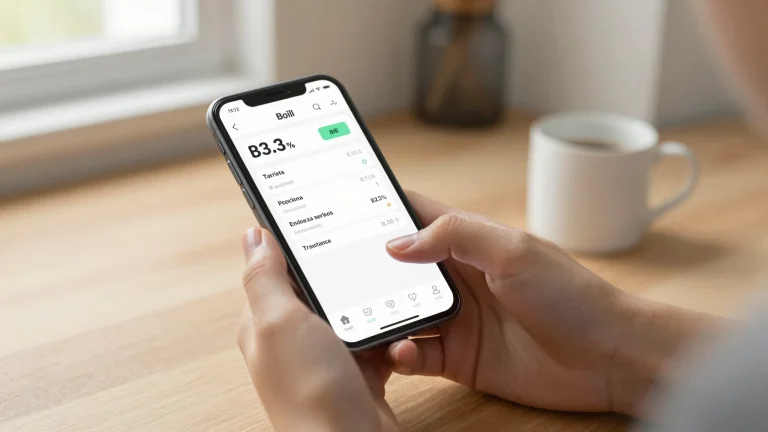
Underestimating Data in Europe: 5GB eSIM Ran Dry
Many travelers assume a 5GB eSIM plan offers generous headroom for a week or two abroad, yet real-world usage can exhaust that allowance far sooner than expected. This article explains why 5GB disappears quickly in Europe, what conditions accelerate consumption, and how to adjust habits or choose a plan before the data cuts out.
The core issue lies not in the cap itself but in the mismatch between average expectations and actual app demands. Navigation, streaming, and background syncing each pull meaningful chunks of data, and when combined across multiple devices or hours of continuous use, 5GB becomes a finite resource rather than a comfortable buffer.
Why 5GB Vanishes Faster Than Expected
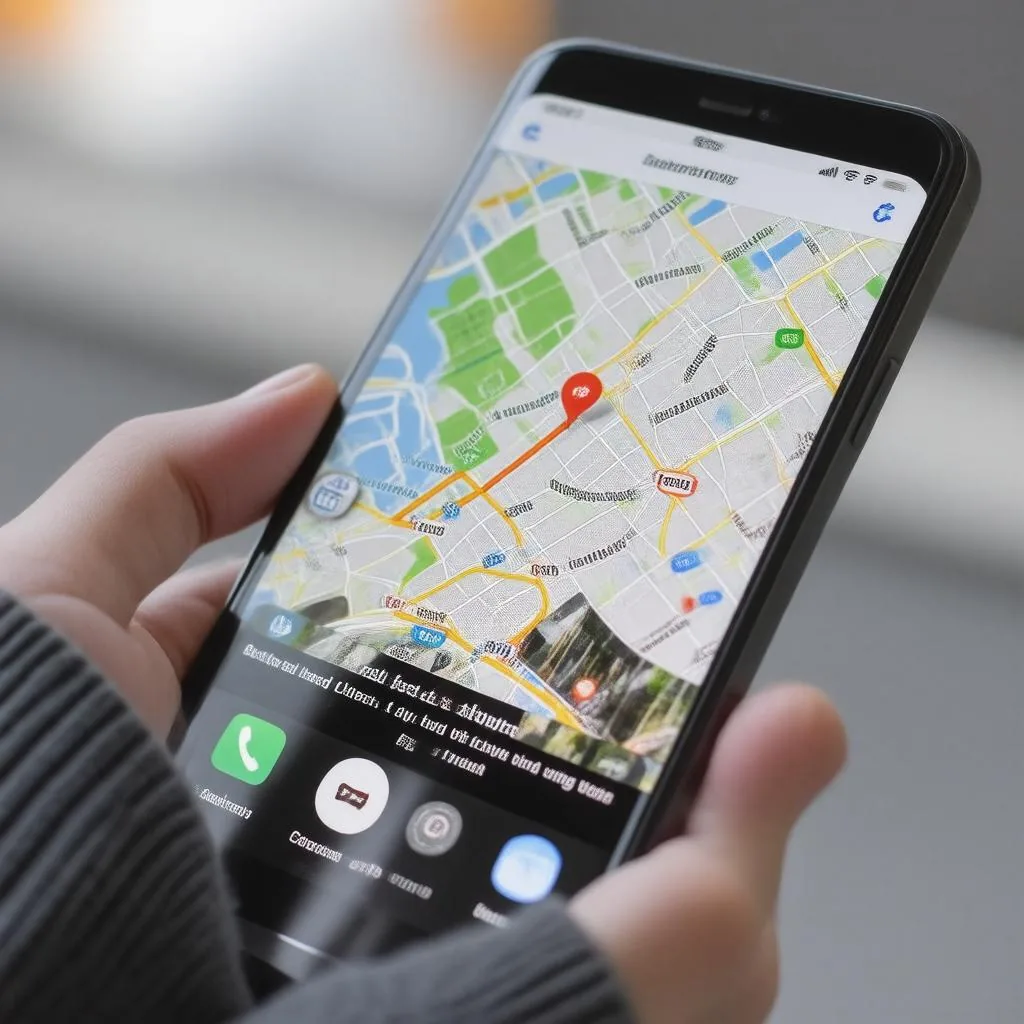
Navigation apps alone can consume 150–300 MB per hour depending on map detail and route recalculations. Streaming services such as music or short-form video push that figure to 400–800 MB hourly. Background updates, cloud photo backups, and automatic downloads add another 200–500 MB daily even when the phone sits idle. Consequently, a single day of active sightting with mapping, audio guides, and intermittent video checks can easily reach 2–3 GB.
Furthermore, network conditions influence data efficiency. Weak signal forces devices to repeat requests and use error correction, increasing overhead without adding visible content. Roaming between networks or switching from Wi-Fi to mobile data also triggers re-authentication and cache refreshes, each costing extra megabytes. These hidden costs are rarely accounted for in casual estimates.
High-Consumption Scenarios to Watch
Group travel with multiple smartphones sharing a hotspot multiplies consumption proportionally. A family of four using navigation, music, and messaging simultaneously can exceed 5GB within six hours. Similarly, content creators uploading videos or photos in real time will deplete the allowance before noon. Even business travelers running video calls, document syncs, and cloud-based tools face the same risk.
Another overlooked factor is app behavior. Some mapping platforms pre-load entire regional tiles when entering a new country, consuming up to 1 GB in one event. Social media apps auto-play videos in feed view, each clip draining 10–30 MB. Email clients with rich HTML and embedded images add 2–5 MB per message. Individually small, collectively they erode the cap silently.
Practical Steps to Stretch or Replenish Data
Begin by auditing usage through the device’s built-in data tracker. Identify which apps consume the most and disable background refresh for non-essential ones. Switch maps to offline mode after downloading regional tiles once—this prevents repeated downloads and reduces live data calls. Reduce streaming quality from HD to standard;
the visual difference is minimal on a small screen, but the savings reach 50% or more.
When the cap approaches, activate data saver mode, restrict video autoplay, and pause cloud backups until Wi-Fi is available. If the plan allows, purchase a top-up before hitting zero;
most providers offer incremental bundles that cost less than emergency roaming charges. Alternatively, carry a portable Wi-Fi hotspot with a separate SIM for backup, ensuring critical navigation and communication remain functional.
Finally, review the plan’s reset cycle. Some eSIMs refresh daily at midnight local time, while others roll over unused data for 24 hours. Aligning high-usage activities with the reset window maximizes value. For extended trips, consider a higher-tier plan upfront—adding 5–10 GB typically costs only 20–30% more but prevents mid-trip disruptions.
Related guides
- How Much Data Do You Need in Canada? A Practical Guide to Ch
- How Much Data Do You Need in Canada? A Practical Guide to Choosing the Right Plan
- How Much Data Do You Need in Canada? A Practical Guide to Choosing the Right Plan