Debunking eSIM Coverage Myths: Reliable Connectivity in France Beyond Major Cities
Travelers and digital nomads often assume eSIMs deliver seamless coverage across France, but rural and peri-urban areas frequently suffer from signal gaps, carrier throttling, and network prioritization issues. This article separates myth from reality by examining actual coverage patterns, technical limitations, and practical workarounds for maintaining reliable connectivity outside Paris, Lyon, and Marseille.
Contrary to marketing claims, no single eSIM provider guarantees consistent 4G or 5G performance in France’s less densely populated regions. Signal strength depends on local tower density, spectrum allocation, and roaming agreements—factors rarely disclosed in promotional materials. Understanding these variables is the first step toward avoiding unexpected disconnections during travel or remote work.
Why eSIM Coverage Fails in Rural France
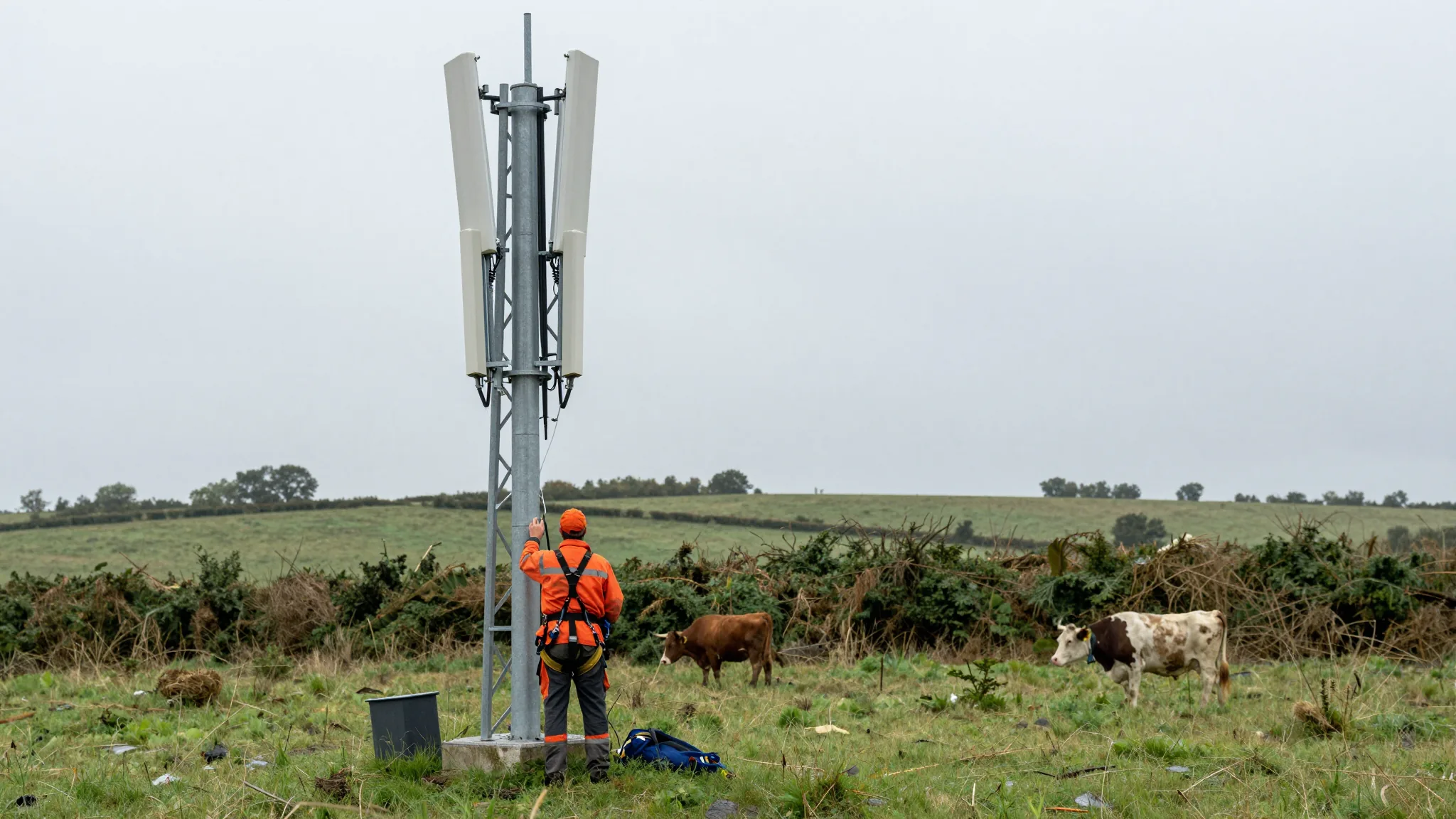
The root cause lies in infrastructure disparity. Major cities benefit from overlapping networks and recent fiber rollouts, while communes with fewer than 2,000 residents often rely on a single tower shared among multiple carriers. When an eSIM roams onto a partner network, bandwidth is deprioritized, leading to slower speeds or intermittent drops during peak hours.
Additionally, France’s regulatory framework limits spectrum access for virtual operators. Most eSIM providers lease capacity from established incumbents rather than building their own infrastructure. This arrangement means coverage mirrors the host carrier’s footprint—not the provider’s advertised map. Users in areas like the Massif Central or parts of Brittany frequently encounter dead zones not reflected in coverage calculators.
How to Verify Real-World Signal Before Purchase
Instead of trusting generic coverage heatmaps, cross-reference multiple sources. Start with the official French telecommunications regulator’s public database, which lists tower locations and frequency bands. Then, check community forums where users post speed test results from specific villages or trailheads.
Another effective method involves using a dual-SIM smartphone during a scouting trip. Insert a local prepaid card alongside the eSIM and compare download latency, upload stability, and network switching behavior in target zones. This hands-on test reveals how quickly the device fails over between networks—a critical metric for video calls or file transfers.
Practical Steps for Maintaining Connectivity
When entering low-coverage zones, pre-download maps, documents, and offline navigation data. Configure messaging apps to compress media and enable store-and-forward delivery. These adjustments reduce dependency on constant bandwidth and prevent data loss during outages.

Consider carrying a portable signal booster compatible with your eSIM’s frequency bands. While not a magic solution, such devices can extend range by 10–15% in marginal areas. Pair this with a backup physical SIM from a different carrier to diversify risk—if one network collapses, the alternative may still function.
Risks of Relying Solely on eSIMs
The primary risk is overconfidence. Travelers who dismiss paper maps or offline caches because “the eSIM will work” often find themselves stranded without directions or emergency contact access. In remote alpine villages or coastal cliffs, even GPS signals can weaken, compounding navigation challenges.
Another hidden cost involves data overage fees. When a device automatically switches to a roaming partner with higher rates, unexpected charges accumulate quickly—especially if background apps continue syncing. Monitoring usage daily and setting hard caps prevents budget surprises.
Ultimately, reliable connectivity in France beyond major cities demands skepticism toward marketing claims and preparation for infrastructure gaps. By verifying signal independently, adopting offline redundancies, and understanding carrier limitations, users maintain productivity without sacrificing mobility.
Bitcoin has moved sharply lately, so the upside and the risk need to be measured together.
Checking network fees and platform rules before a transfer is especially important for beginners.
The article explains wallet security, exchange selection, and risk control in a practical way.
After experiencing exchange risk controls, I now use 2FA and avoid keeping all funds in one place.