
eSIM Coverage in Asia: The Coverage Gaps That Catch Travelers Off Guard
Travelers increasingly rely on eSIM technology for seamless connectivity across Asian destinations, yet significant coverage gaps persist in remote regions and between carrier networks. These unexpected dead zones can leave visitors without internet access during critical moments, from navigating rural temples to arranging last-minute transportation. Understanding where and why these gaps occur empowers travelers to prepare backup connectivity solutions before departure.
This guide identifies the most common eSIM coverage gaps across Asia, explains their root causes, and provides practical steps to avoid being stranded without data. Whether exploring mountain villages in Laos, island-hopping in the Philippines, or traveling through rural China, knowing the limitations of eSIM networks prevents costly connectivity surprises.
Why eSIM Coverage Drops Unexpectedly in Remote Asian Regions
Several factors create unpredictable eSIM coverage gaps across Asia’s diverse geography. First, cellular infrastructure varies dramatically between urban centers and rural areas, with many providers prioritizing densely populated zones where return on investment is higher. Mountainous terrain, dense tropical forests, and island archipelagos present natural barriers that limit signal penetration, while border regions often suffer from overlapping but incomplete coverage from multiple national carriers.
Additionally, eSIM providers typically partner with specific local networks rather than aggregating all available carriers in a region. This means your eSIM may connect to one carrier’s towers but remain blind to stronger signals from competitors. Weather conditions, seasonal tower maintenance, and even political decisions about network priorities in certain provinces further complicate reliable coverage.
Most Common Coverage Gaps Across Popular Asian Travel Routes
Several Asian destinations consistently surprise travelers with poor eSIM performance. In Southeast Asia, rural Cambodia outside Siem Reap and Phnom Penh, mountainous regions of northern Laos, and remote islands in Indonesia’s Raja Ampat often lack adequate eSIM infrastructure. South Asian destinations like Nepal’s trekking routes, rural Sri Lanka away from Colombo, and parts of northeastern India present similar challenges.
Even in developed East Asian markets, gaps emerge. Japanese countryside areas, rural South Korean provinces, and mountainous regions of Taiwan may show full bars on your phone while data connections remain frustratingly slow or intermittent. China’s interior provinces and rural areas present particular challenges due to network fragmentation and regulatory requirements.
How to Test and Verify eSIM Coverage Before Your Trip
Before purchasing an eSIM plan, research the specific coverage maps of providers rather than relying on general country-level claims. Most reputable eSIM providers publish detailed network maps showing exact tower locations and coverage zones. Cross-reference these maps with your planned itinerary, paying special attention to rural areas and transportation routes between major cities.
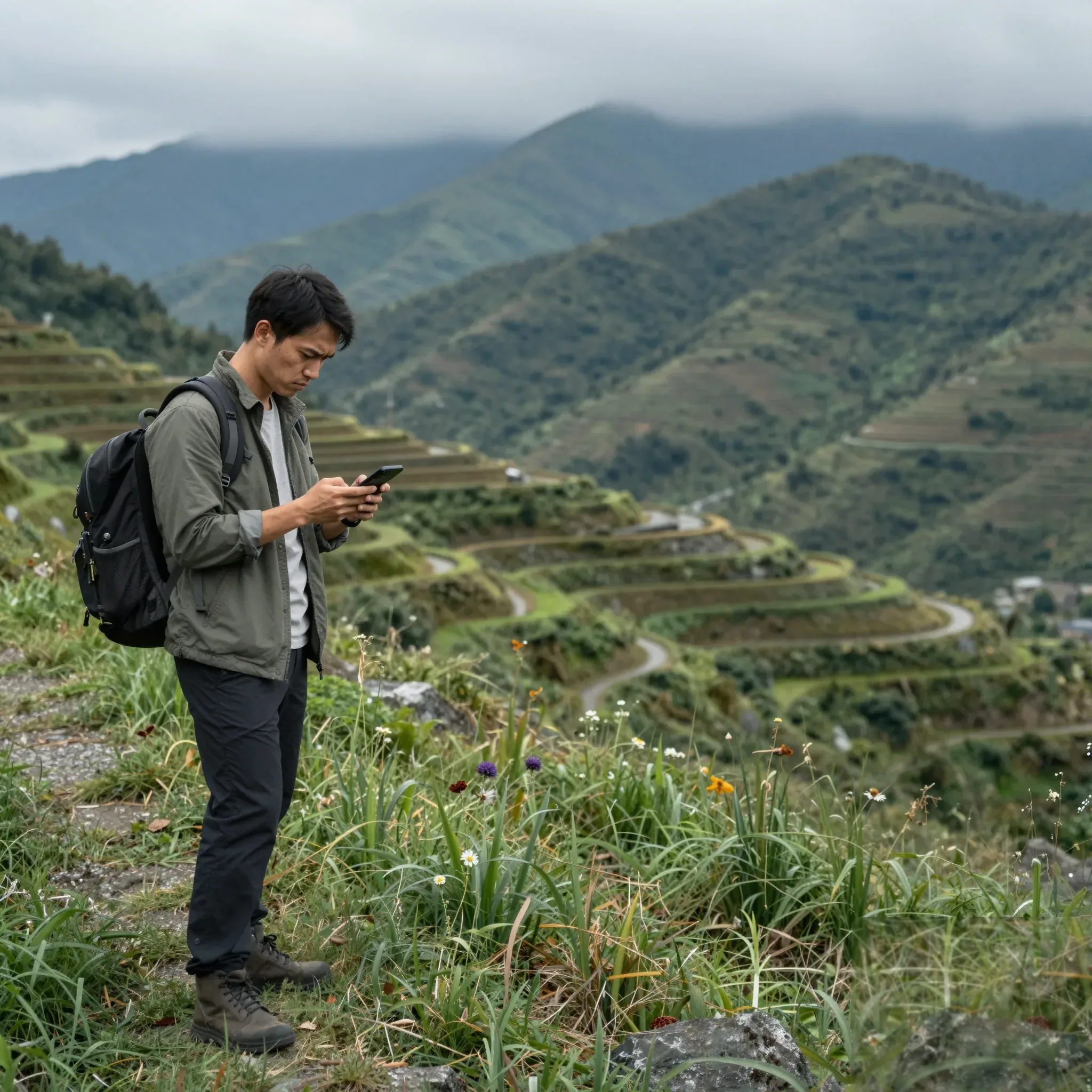
Download coverage verification apps and test your eSIM’s performance in different scenarios before departure. Check whether your plan includes both 4G and 3G fallback options, as many rural Asian regions still rely on older network technology. Contact providers directly to ask about partnerships with local carriers in your destination regions, and request real-world performance data from recent travelers.
What Backup Connectivity Solutions Should Travelers Carry?
Smart travelers prepare multiple layers of connectivity for Asian travel. Carry a physical SIM card from a major local carrier as your primary backup—these often have better rural coverage than eSIM partners. Portable Wi-Fi devices provide reliable connectivity for groups, though they require charging and add bulk to luggage. Offline navigation apps with pre-downloaded maps, translation apps with offline capabilities, and downloaded entertainment content reduce dependence on continuous connectivity.
Consider purchasing region-specific SIM cards at your arrival airport for maximum flexibility. Many Asian airports offer competitive rates from local carriers with extensive domestic coverage. Additionally, research public Wi-Fi availability at your destinations—cafés, hotels, and transportation hubs often provide free connectivity, though speeds and reliability vary significantly.
Bitcoin has moved sharply lately, so the upside and the risk need to be measured together.
Checking network fees and platform rules before a transfer is especially important for beginners.