
What Is a Digital SIM Card? Here’s Everything You Need to Know
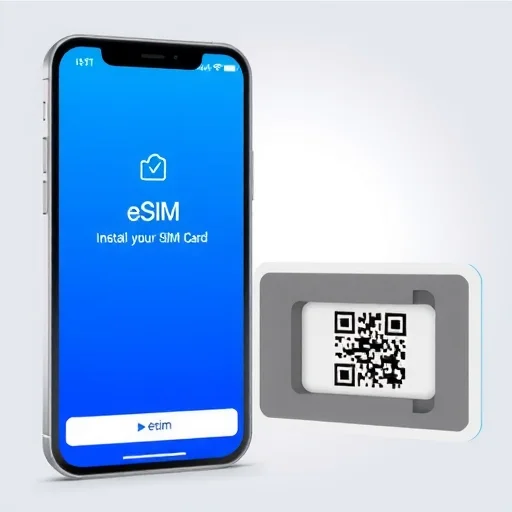
If you’ve heard the term “digital SIM card” and wondered how it’s different from the physical SIM card in your phone, you’re not alone. A digital SIM card—more commonly known as an eSIM (embedded SIM)—is a software‑based version of a traditional SIM card. Instead of a removable plastic card, a digital SIM card is a profile that you download onto your phone, giving you cellular service without ever handling a physical SIM. This guide explains what a digital SIM card is, how it works, and why it’s becoming the go‑to choice for travelers and tech‑savvy users.
First, let’s clarify the terminology. A SIM card (Subscriber Identity Module) is the chip that connects your phone to a mobile network. For decades, this was a physical card you inserted into your phone. A digital SIM card, or eSIM, is a SIM that’s built into your phone’s hardware—there’s no card to insert. The term “digital SIM card” emphasizes that the entire experience is digital: you purchase a plan online, download it to your phone, and manage everything from your settings, with no physical components.
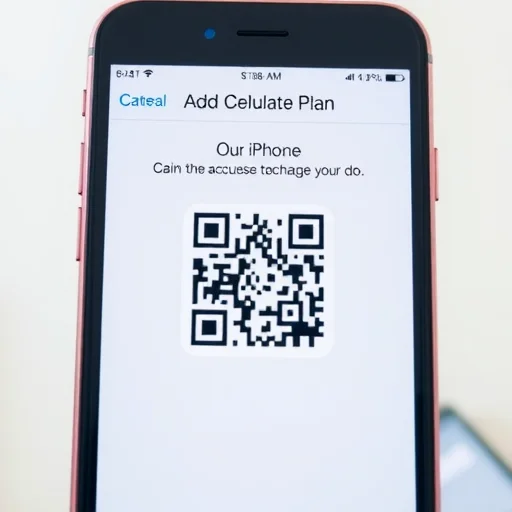
So how does a digital SIM card work? Instead of going to a store to buy a SIM card, you purchase a plan online from a carrier or eSIM provider. You receive a QR code (or you can install directly through an app). On your phone, you go to Settings > Cellular > Add Cellular Plan (on iPhone) or Settings > Connections > SIM Manager (on Android), and scan the QR code. The digital profile downloads to your phone, and within minutes, you have a working cellular plan. The profile contains your phone number (if included), network authentication details, and data allowance.
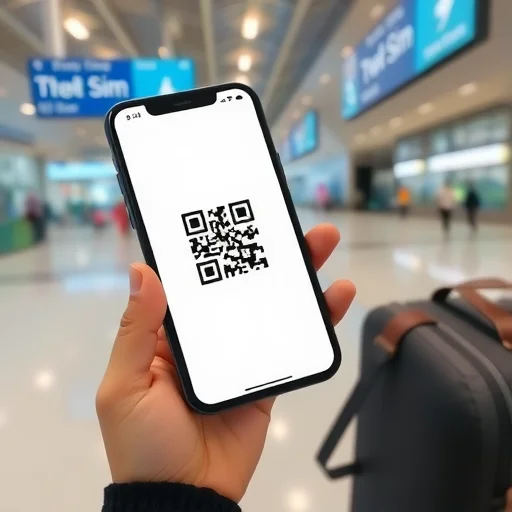
The advantages of a digital SIM card are numerous. The most obvious is convenience. You can buy a plan from anywhere with an internet connection—sitting at home, at a café, or even on the plane. You can have a local data plan ready before you land in a foreign country. No more hunting for SIM cards at airport kiosks, no more fumbling with tiny plastic cards and SIM ejector tools.
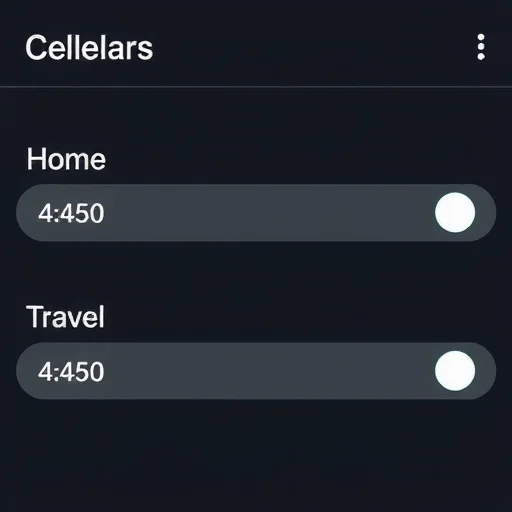
Another major advantage is flexibility. A digital SIM card allows you to store multiple profiles on your phone. You can have your home carrier’s eSIM, a travel eSIM for data, and a work eSIM—all on the same device. You can switch between them with a tap in your settings, without ever opening a SIM tray. For travelers, this means you can keep your home number active for calls and texts while using a local data eSIM for affordable internet access.
Security is another benefit. A physical SIM card can be removed from a lost or stolen phone and inserted into another device, potentially allowing someone to use your number or access accounts tied to it. A digital SIM card is embedded in your phone and cannot be physically removed. If your phone is lost or stolen, the eSIM stays with the device, which you can remotely lock or wipe.
Digital SIM cards are also more environmentally friendly. Physical SIM cards are made of plastic and come with packaging that ends up in landfills. eSIMs are entirely digital, eliminating plastic waste, shipping, and packaging.
Now, let’s talk about the different types of digital SIM cards. There are two main categories: carrier eSIMs and travel eSIMs.
**Carrier eSIMs** are offered directly by mobile operators like T‑Mobile, Verizon, or Orange. These are full‑service eSIMs that give you a phone number, voice, SMS, and data. You can sign up for a plan online or at a store, and you’ll receive a QR code to install the eSIM. These are ideal for getting a primary phone line without a physical SIM card.
**Travel eSIMs** are offered by global providers like Airalo, Nomad, Holafly, and Ubigi. These are designed specifically for travelers. They are data‑only (though some now offer voice options) and you can buy plans for specific countries or regions. You install them before you travel, and they activate when you land. Travel eSIMs are perfect for avoiding expensive roaming charges while keeping your home SIM active for calls and texts.
Getting started with a digital SIM card is simple. First, ensure your phone supports eSIM. Most modern smartphones do: iPhones from XS/XR onward, Google Pixels 3 and newer, Samsung Galaxy S20 and newer, and many others. If your phone is carrier‑locked, you may need to check with your carrier—some lock the eSIM functionality.
Next, choose a provider. For a primary line, your home carrier may offer eSIM activation through their app or website. For travel, choose a global eSIM provider. Visit their website or download their app, select your destination and plan, and pay. You’ll receive a QR code either immediately or via email.
Install the digital SIM card by scanning the QR code in your phone’s cellular settings. On iPhone: Settings > Cellular > Add Cellular Plan. On Android: Settings > Connections > SIM Manager > Add eSIM. The profile will download and install. Once installed, you can label it (e.g., “Travel Japan”) and choose whether to use it for data, calls, or both.
When you arrive at your destination, enable the eSIM (if it’s not already active) and turn off data roaming on your home SIM to avoid charges. Your phone will use the digital SIM card for data, and you can make and receive calls on your home SIM if needed (though those calls may incur roaming charges—check with your carrier).
One common question: can I use a digital SIM card and a physical SIM at the same time? Yes, most phones support dual SIM: one physical SIM and one eSIM, or two eSIMs on newer models. This is ideal for travelers—keep your home physical SIM for calls and texts, and use a digital SIM card for local data.
What about privacy? Since digital SIM cards are managed through your phone’s settings and don’t require handing over your device to a store clerk, some users feel they offer more control. However, carriers still require identity verification for prepaid plans in many countries—this is done online through passport upload rather than in person.
Ultimately, a digital SIM card is simply the modern evolution of the SIM card. It offers the same functionality as a physical SIM—connecting you to a mobile network—but with the convenience of digital installation, the flexibility to store multiple profiles, and the security of being embedded in your device. Whether you’re a frequent traveler or just want to simplify your mobile setup, a digital SIM card is a smart choice. A digital SIM card (eSIM) is a software‑based SIM profile that replaces physical SIM cards. It offers convenience (buy and install online), flexibility (store multiple profiles), security (embedded, can’t be removed), and environmental benefits (no plastic). Available as carrier eSIMs (with phone number) or travel eSIMs (data‑only). Works on most modern smartphones.
eSIMGuideFINISHED

Travel eSIMs are a game‑changer. I bought a digital SIM card for Japan, installed it at home, and had data the moment I landed. Kept my home SIM for calls. Perfect setup.
I love that I can store multiple digital SIM cards on my phone. I have my home carrier, a travel eSIM for Europe, and a work eSIM—all on one device. Switching takes seconds.
I switched to a digital SIM card for my primary line and it’s so much easier. No more SIM tray, no more losing tiny cards. I can switch carriers with a QR code. Highly recommend.
Important tip: Make sure your phone is unlocked before buying a digital SIM card. Some carrier‑locked phones block eSIM activation. Check before you travel!
eSIM security is a big plus. I feel safer knowing my SIM can’t be physically removed if my phone is lost. And it’s one less plastic card to worry about.