
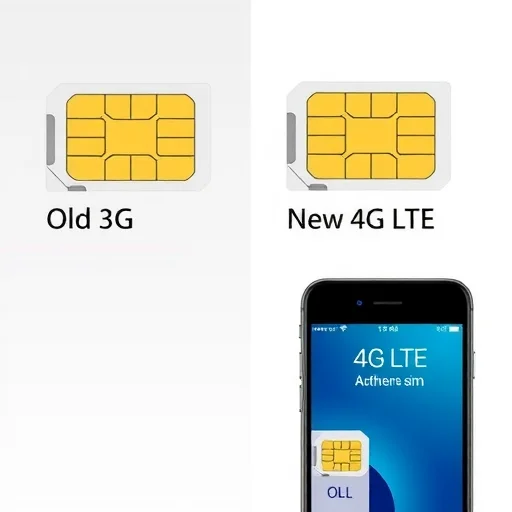
Still Using 3G? Here’s Why a 4G LTE SIM Card Is a Game Changer
If you’ve been holding onto an older SIM card or relying on slower mobile networks, you might be missing out on a vastly better experience. A 4G LTE SIM card—often simply called a 4G SIM—unlocks faster speeds, lower latency, and more reliable connectivity compared to older 3G networks. Whether you’re streaming video, making video calls, or just browsing the web, switching to a 4G LTE SIM can transform how you use your phone. This guide explains what a 4G LTE SIM is, how to get one, and why it matters for both everyday use and travel.
First, let’s clarify what a 4G LTE SIM actually is. The SIM card itself is a small chip that authenticates your device on a mobile network. A “4G LTE SIM” is simply a SIM that is compatible with 4G LTE networks. In most cases, any relatively modern SIM card will support 4G, but if your SIM is very old (think five to ten years), it may only be provisioned for 3G. Upgrading to a new SIM—usually free from your carrier—ensures you can access the fastest network available on your device.
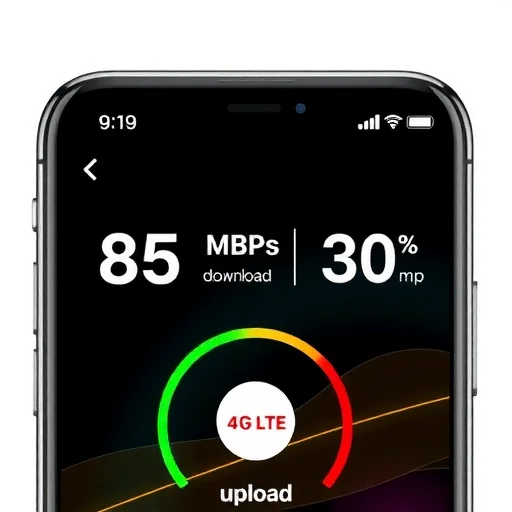
Why does this matter? 4G LTE networks offer dramatically better performance than 3G. Typical 3G speeds max out around 10–20 Mbps, but real-world speeds are often lower. 4G LTE, by contrast, can deliver 50–100 Mbps or more in many areas. That means web pages load in seconds instead of tens of seconds, video streams start instantly without buffering, and video calls remain clear even when you’re on the move. Latency—the delay between sending a request and receiving a response—drops from 100+ milliseconds on 3G to around 30–50 milliseconds on 4G, making online gaming and real-time applications feel responsive.
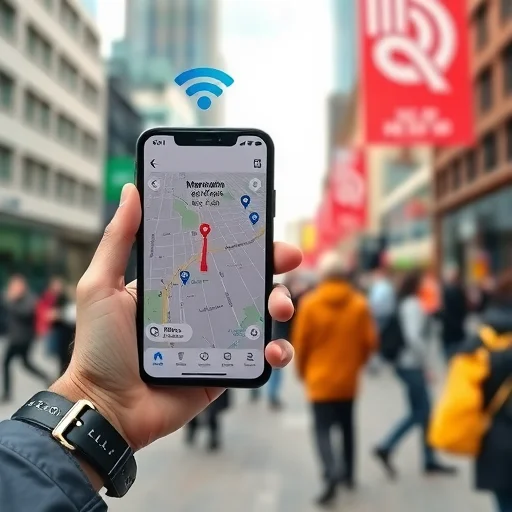
For travelers, a 4G LTE SIM is especially important. When you’re navigating a foreign city, using ride‑hailing apps, or
How do you know if you’re using a 4G LTE SIM? On your phone, look at the status bar. If you see “4G” or “LTE,” your device is connected to a 4G network. If you see “3G,” “H,” or “H+,” you’re on a slower network. That could be due to your location, your plan, or your SIM. If you consistently see 3G in areas where you know 4G is available, it’s worth checking with your carrier.
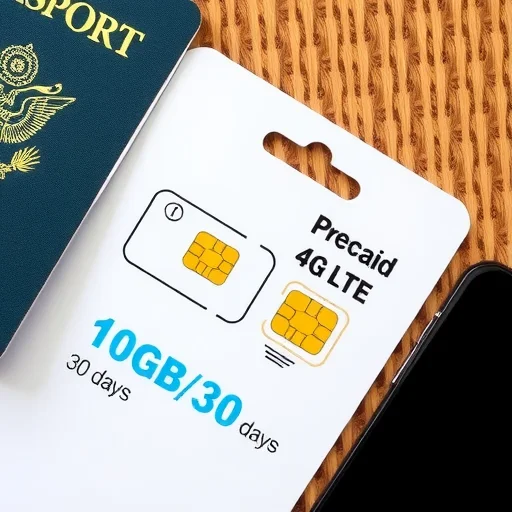
To get a 4G LTE SIM, contact your mobile carrier. Most carriers will issue a new SIM for free or a small fee if your current one is outdated. You can often do this by visiting a retail store or requesting a replacement online. If you’re using a prepaid plan or a travel SIM, ensure that the SIM you purchase explicitly says it supports 4G/LTE. Most modern travel SIMs do, but it’s worth confirming.
What about 5G? You might wonder if you should skip 4G and go straight to 5G. 5G offers even faster speeds and lower latency, but it’s not yet universally available. For most travelers and everyday users, 4G LTE remains the sweet spot: it’s widely available, fast enough for virtually all mobile tasks, and more battery‑efficient than 5G in many cases. A 4G LTE SIM will also work in 5G phones—you’ll just get 4G speeds unless you upgrade to a 5G plan.
Now, let’s talk about travel. If you’re buying a local SIM card abroad, look for one that offers 4G LTE. In most countries, even budget prepaid SIMs from local carriers provide 4G access. For example, in Europe, prepaid SIMs from carriers like Orange, Vodafone, or Deutsche Telekom all support 4G LTE. In Asia, carriers like AIS in Thailand, Smart in the Philippines, and NTT Docomo in Japan offer robust 4G networks. If you’re using an eSIM from a global provider, check that it specifies 4G/LTE or 5G support—most do.
One practical consideration: some older phones may not support 4G LTE on certain frequency bands used in other countries. Before traveling, check that your phone supports the 4G bands used in your destination. Websites like frequencycheck.com can help. If your phone is relatively recent (within the last five years), it likely supports the key bands in most regions.
What about data usage? 4G LTE can consume data faster simply because everything loads more quickly. If you’re on a limited data plan, you might find yourself using more data than before. That’s not because 4G uses more data for the same activities—it’s because you’re able to do more in the same amount of time. Be mindful of your data allowance, especially when streaming video or making high‑quality video calls.
I recently upgraded a friend’s SIM from an ancient one that was still on 3G. She had been complaining that her phone was “slow” and that maps often took ages to load. We went to her carrier’s store, got a free 4G LTE SIM replacement, and within minutes her phone was showing “LTE.” The difference was immediate. Web pages loaded instantly, her music streaming no longer buffered, and video calls with her family were crystal clear. She said it felt like getting a new phone.
If you’re traveling and buy a local SIM, make sure it’s 4G‑capable. In many airports, kiosks sell prepaid SIMs that are clearly labeled with data allowances and network type. Look for “4G” or “LTE” on the package. If you’re unsure, ask the vendor. Most will confirm that the SIM supports the fastest network available.
For eSIM users, the same principle applies. Most travel eSIMs from providers like Airalo, Nomad, and Ubigi are 4G/LTE or 5G where available. When you purchase, the plan details usually specify the network type. If you’re in an area with 5G coverage, your eSIM will connect to 5G automatically if the plan includes it.
Ultimately, a 4G LTE SIM is a simple upgrade that can have a huge impact on your mobile experience. Whether you’re at home or traveling, faster speeds, lower latency, and more reliable connections mean less waiting and more doing. If you’re still on an old SIM or seeing 3G on your phone, it’s time to make the switch. A 4G LTE SIM card unlocks faster speeds, lower latency, and more reliable connectivity compared to 3G. Upgrade your old SIM through your carrier—usually free—to improve everyday use and travel experiences. When buying travel SIMs or eSIMs, ensure they support 4G/LTE for the best performance.
TravelConnectivityTipsFINISHED

Traveling in Japan, I bought a local SIM that said 4G LTE. The speed was incredible—streamed video on the train without a hitch. Worth paying a little more for a 4G SIM over a 3G one.
I use a 4G LTE eSIM from Airalo when I travel. Speed is always great in cities. Even in rural areas, it falls back to 3G, but having 4G where available makes a big difference for maps and ride‑hailing.
I was stuck on 3G for years without realizing it. Got a free 4G LTE SIM from my carrier and suddenly my phone felt brand new. Maps load instantly, no more buffering on Spotify. Highly recommend checking your SIM.
Important tip: If you’re buying a travel SIM at the airport, make sure it says 4G/LTE. Some budget ones still use 3G. The price difference is small but the experience is huge.
Just upgraded my elderly mom’s SIM to 4G LTE. She was complaining about FaceTime dropping. Now it’s smooth. Such a simple fix. Everyone should check their SIM age.