
Traveling Soon? Here’s How to Pick the Best eSIM Plan for Your Needs
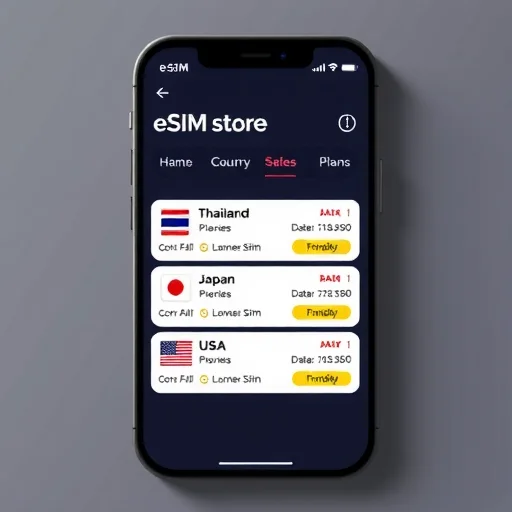
If you’re planning an international trip, you’ve probably come across eSIMs as a convenient alternative to physical SIM cards or expensive roaming plans. But with dozens of providers—Airalo, Nomad, Holafly, Saily, and many more—each offering a dizzying array of data packages, how do you choose the best eSIM plan? The answer isn’t about finding a single “best” provider. It’s about matching the plan to your specific travel style: how long you’ll be gone, where you’re going, how much data you actually use, and whether you need a local phone number or just data. This guide breaks down the key factors so you can confidently pick the right eSIM plan every time.
First, let’s establish the landscape. eSIM providers generally fall into two categories: global providers that offer plans for hundreds of countries, and local carriers that offer eSIMs directly for specific destinations. Global providers like Airalo, Nomad, Holafly, and Saily are convenient—you buy one plan before you travel, install it once, and it works when you land. Local carrier eSIMs (like a Telcel eSIM for Mexico or a Spark eSIM for New Zealand) often offer better value for longer stays and sometimes include a local phone number. The “best” plan depends entirely on your itinerary and usage.

The first factor to consider is destination. If you’re visiting a single country, both global and local eSIMs are options. Global providers are often simpler to purchase and install before departure, but local carrier eSIMs can be cheaper for stays longer than a week. If you’re visiting multiple countries in one region—say, several European countries or a Southeast Asia backpacking trip—a regional eSIM (like “Europe” or “Asia” plans) can be more convenient and cost‑effective than buying separate plans for each country. If you’re traveling across vastly different regions, a global plan that covers 100+ countries might be the simplest, though these are often pricier per GB.
The second factor is data structure. eSIM plans typically come in three formats. Fixed‑total plans give you a set amount of data (3GB, 5GB, 10GB, etc.) that you use until it runs out, with a validity period like 7, 15, or 30 days. These are ideal for light to moderate users who know roughly how much they’ll need. Daily‑cap plans offer a certain amount of high‑speed data per day (e.g., 500MB or 1GB) followed by unlimited but slower data. These provide predictability and are popular with travelers who stream music, use navigation heavily, or just want peace of mind. Unlimited high‑speed plans are best for heavy users—digital nomads, streamers, or anyone on frequent video calls—though they tend to be the most expensive option.
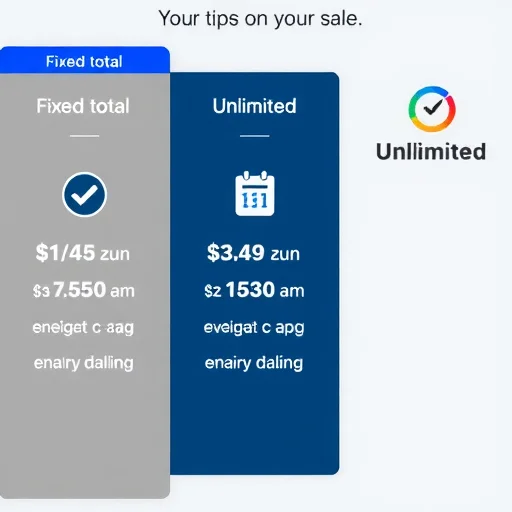
The third factor is duration. For short trips (3 to 5 days), a compact fixed‑total plan (3GB to 5GB) from a global provider is often the sweet spot. For week‑long trips (7 to 10 days), a 10GB fixed‑total plan or a daily‑cap plan (1GB/day) strikes a good balance. For extended stays (two weeks or more), consider either a larger fixed‑total plan (15GB to 20GB) or look into local carrier eSIMs, which often offer better per‑GB rates and sometimes include voice and SMS functionality.
Now, let’s talk about specific scenarios. If you’re a light user—mostly using maps, messaging, and occasional social media—a fixed‑total plan of 3GB to 5GB for a week‑long trip is usually plenty. If you’re a moderate user who streams music, uses navigation extensively, and posts regularly, aim for 1GB per day or a fixed total of 10GB for a week. If you’re a heavy user—working remotely, joining video calls, streaming video—you’ll want either an unlimited plan or a large fixed‑total plan (15GB+). Always round up your estimate; it’s better to have a little leftover than to run out mid‑trip.
Another important consideration: voice and SMS. Most eSIMs from global providers are data‑only. That means you can use WhatsApp, FaceTime, and other internet‑based communication, but you won’t have a traditional phone number for voice calls or SMS verification. If you need to make local calls—to a hotel, a tour operator, or a rental car company—or if you need to receive SMS verification codes (for some ride‑hailing apps or local services), look for an eSIM that includes voice and a local number. In many countries, local carrier eSIMs offer this; some global providers now offer “with voice” options as well.
Let’s walk through a few examples. Suppose you’re going to Japan for 10 days. You plan to use Google Maps heavily, translate menus, and share photos, but you’re staying in hotels with Wi‑Fi. A 10GB fixed‑total plan from a global provider might cost around $20 to $25 and be perfectly sufficient. Alternatively, a local carrier eSIM like Japan’s IIJmio could offer 10GB for a similar price, but with the hassle of purchasing locally. The global option wins for convenience.
Now imagine you’re spending a month in Mexico, working remotely, and need to make occasional local calls. A local carrier eSIM like Telcel’s prepaid option might give you 20GB plus a local number for around $30—a better value than a global provider’s unlimited plan. For a two‑week trip across three European countries, a regional Europe eSIM offering 10GB for 15 days is often the simplest and most cost‑effective choice.
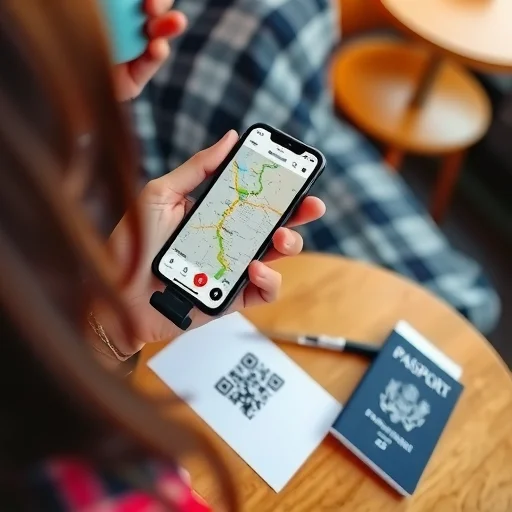
I recently helped a friend plan for a three‑week trip that included Thailand, Vietnam, and Singapore. She was considering buying separate eSIMs for each country. Instead, I suggested a Southeast Asia regional plan from a global provider—15GB for 30 days. She installed it once, and it worked seamlessly across all three countries. She didn’t need a local number because everything was coordinated via WhatsApp. The total cost was less than buying three separate plans, and she never had to worry about switching SIMs mid‑trip.
If you’re a frequent traveler, you might also want to consider provider loyalty. Some services offer referral credits or loyalty programs. Others have apps that make re‑buying plans for repeat destinations extremely fast. After a few trips, you may find that sticking with one provider simplifies your pre‑travel routine.
Ultimately, the best eSIM plan is the one that aligns with your destination, trip length, data usage habits, and voice requirements. Start by asking yourself: single country or multiple? How many days? Do I need a local number? How much data do I typically use per day? Once you have those answers, you can filter options with confidence. Don’t chase the absolute cheapest plan—consider the convenience of installation, the reliability of the network partner, and whether the plan’s validity period matches your trip exactly. The best eSIM plan depends on destination (single vs. multi‑country), trip length, data usage (light, moderate, heavy), and voice needs. Fixed‑total plans suit predictable usage, daily‑cap plans offer peace of mind, and local carrier eSIMs provide better value for longer stays or voice requirements.
Used a daily-cap plan for 2 weeks in Europe. 1GB per day was perfect for maps, Instagram, and WhatsApp calls. Never worried about running out. Highly recommend this structure for moderate users.
I’m a digital nomad and have tried at least 5 different eSIM providers. For long stays, local carrier eSIMs are the best value. For short trips across multiple countries, regional plans from global providers save so much hassle. This guide nails the decision process.
For a 5-day city trip, a small 3GB plan is usually all I need. People overestimate their data usage. Just use hotel Wi‑Fi for streaming and you’re fine. Great breakdown of the options here.
Important tip: If you need a local number for ride apps like Grab or Kakao T, data‑only eSIMs won’t work for SMS verification. I learned this the hard way in South Korea. Always check if your destination’s key apps require a local number!
I always buy fixed-total plans because I like knowing exactly what I’m spending. 10GB for 10 days in Japan was plenty. Installation took 2 minutes. So much better than the old days of hunting for SIM cards at the airport.